
You probably notice health products more than you realize. They show up in your kitchen, bathroom, gym bag, and social feed, often with big promises about feeling better, living cleaner, and making smarter choices. That constant presence matters. Wellness brands don’t just sell soap, vitamins, or household products. They also influence how you judge ingredients, habits, and even what counts as a “healthy” lifestyle in the first place.
Why wellness branding gets your attention so easily
Health and wellness branding works because it speaks to problems you already care about. You want more energy, fewer irritants at home, and products that seem safer or more effective. A brand doesn’t need to shout to win you over. Sometimes a clean label, a polished bottle, and a few science-adjacent phrases do the job.
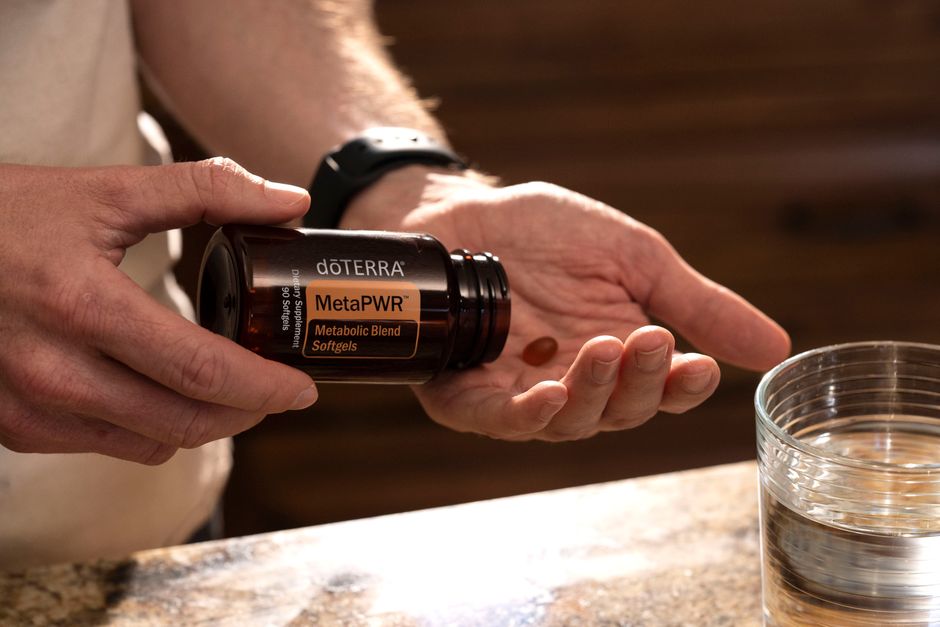
That’s where things get interesting. Many companies build trust by mixing lifestyle language with health-focused messaging. You’ll see terms like “plant-based,” “non-toxic,” or “backed by research” used as shortcuts to credibility. Some brands, including Melaleuca: The Wellness Company, also position themselves around a broader wellness mission, not just a single product line. That creates a stronger emotional connection because you’re no longer buying one item. You’re buying into a system, a routine, and a version of yourself that seems a little more put together.
The difference between useful claims and fuzzy promises
Not every wellness claim means the same thing. Some are precise and measurable. Others are vague enough to sound helpful without saying much at all. If a product says it contains a specific ingredient known for a certain function, that’s something you can investigate. If it claims to “support total wellness,” you’ll need to dig deeper.
A good rule is to look for details that can survive a second question. For example:
- What ingredient is doing the work?
- How much of it is included?
- Is the benefit cosmetic, nutritional, or medical?
- Does the wording promise a result or just suggest a possibility?
That quick filter helps you avoid getting dazzled by labels doing Olympic-level gymnastics. Wellness marketing often lives in the gray zone between science and aspiration. You don’t need to be cynical, but you do need to be awake.
How product ecosystems change your daily habits
One product can be a one-time purchase. A product ecosystem is different. It encourages you to swap out multiple parts of your routine, often under one brand umbrella. Think supplements, cleaning products, personal care items, and nutrition support all presented as connected pieces of a healthier lifestyle.
That approach can be convenient. It reduces decision fatigue and gives you a clearer routine. If you already trust one product, you may feel more comfortable trying others from the same company. On the practical side, consistent systems can help you stay organized with shopping and habits.
Still, convenience can blur your judgment. Once a brand becomes part of your identity, it gets harder to evaluate each item on its own merits. You may keep buying because the system feels coherent, not because every product is the best fit for your needs. That’s not unusual. It’s just branding doing exactly what it was built to do.
What to check before you trust a health-focused brand
You don’t need a chemistry degree or a lab coat to make smart calls. You just need a solid checklist and a little patience. Before trusting any wellness brand, pay attention to a few basics that often tell you more than flashy packaging ever will.
Look at these factors:
- Ingredient transparency
- Specific claims instead of broad promises
- Third-party testing or certifications when relevant
- Clear usage instructions and safety notes
- Company communication that avoids miracle-cure language
It also helps to separate product categories in your mind. A household cleaner, a dietary supplement, and a skin cream don’t belong under the same evidence standard. Each one serves a different purpose and should be judged accordingly. Real wellness decisions usually happen in the boring details, not the dramatic ad copy. That’s less glamorous, sure, but far more useful.
Social proof, loyalty, and the power of community
People rarely choose wellness products in a vacuum. Recommendations from friends, family, influencers, and online communities often carry more weight than formal advertising. If someone you trust swears a product improved their home or routine, that testimonial can feel more real than any label claim.
Brands know this, and many build communities around shared values like cleaner living, family wellness, or intentional consumption. Community can be genuinely helpful. It gives you practical tips, product comparisons, and honest feedback from actual users.
There’s also a catch. Social proof can make personal experience sound universal. A product that works well for one person may not suit another person’s skin, diet, allergies, or expectations. Loyalty can also create blind spots, especially when criticism gets treated like betrayal instead of normal evaluation. A healthy mindset leaves room for both appreciation and skepticism. You can like a brand without turning it into a personality trait.
Why “natural” doesn’t automatically mean better
The word “natural” has serious marketing power, but it doesn’t guarantee safety, effectiveness, or quality. Plenty of natural substances are useful. Plenty are also irritating, unstable, or unsupported by strong evidence. The term sounds reassuring because it taps into the idea that less processed always means healthier. Real life is messier than that.
You’ll get better results by asking sharper questions. Is the ingredient concentration appropriate? Was the formula designed for a specific purpose? Are there known sensitivities or interactions? For supplements and personal care products, those questions matter more than whether the label gives off forest-energy vibes.
A synthetic ingredient isn’t automatically bad, and a botanical ingredient isn’t automatically good. Product quality depends on formulation, testing, and intended use. Wellness marketing loves simple binaries because they’re easy to sell. Your body, skin, and home routine usually need a more nuanced read than that.
How to build a smarter personal wellness routine
A strong wellness routine doesn’t require buying everything in matching bottles. It starts with knowing your priorities. Maybe you care most about reducing skin irritation, choosing gentler cleaning products, or being more intentional with supplements. Once you know the goal, product decisions get easier and less noisy.
Try this practical approach:
- Identify one area you want to improve
- Compare products based on function, not hype
- Introduce changes one at a time
- Track what actually helps
- Reassess after a few weeks
That method saves money and keeps your routine grounded in results. It also protects you from the common trap of overhauling everything at once, then having no idea what made a difference. Wellness should feel supportive, not like you’re managing a tiny startup from your bathroom counter. Smart choices come from consistency, not chaos dressed up as self-improvement.
The bigger picture behind everyday wellness choices
The brands you trust can shape more than your shopping cart. They influence how you think about health, responsibility, and what good daily care looks like. That influence isn’t automatically harmful. In many cases, it encourages better habits, more attention to ingredients, and a stronger sense of personal agency.
The key is staying aware of the line between informed choice and automatic loyalty. When you understand how wellness branding works, you’re less likely to confuse polished messaging with proof. You become a better filter for your own decisions.
That’s a useful skill in a market crowded with claims, trends, and products trying very hard to earn permanent shelf space in your life. Pay attention, ask direct questions, and let evidence do some of the talking. Your routine will be better for it, and your wallet might breathe a little easier too.