Pilates vs. Yoga: Is Pilates More Beneficial Than Yoga? Comparison, Benefits

0

Yoga and Pilates have some similarities between them such as both the methods concentrate on working both your mind and body and emphasize on breathing and relaxing. The difference between the two is that Pilates involves more physical movements such as seen in a physical therapy program, whereas Yoga revolves more around spiritual well being. Given below are some similarities and differences between yoga and Pilates.

Pilates vs. Yoga

Pilates vs. Yoga: Workout for a Healthy Heart

Is Pilates More Beneficial Than Yoga?

  • Yoga: Yoga gives little cardio benefit; however, doing power yoga helps you in giving a better cardio workout where the heart gets the same aerobic workout as a brisk stroll.
  • Pilates: In Pilates, your body may feel the speed with exercises such as “the hundred,” but your heart doesn’t. A beginner’s Pilates workout gives only a minor aerobic challenge such as seen in a slow walk. However, in an advanced Pilates class, the workout is better at increasing your heart rate to reach the speed of walking.

Pilates vs. Yoga: Weight Loss

  • Yoga: About a 50-minute hatha yoga class will help in burning around 145 calories; whereas a power yoga class burns about 250 calories.
  • Pilates: A 50-minute beginner’s workout helps in burning about 175 calories; whereas an advanced Pilates’ workout helps in burning around 255 to 375 calories. For losing and maintaining your weight, advanced workout for 45 to 60 minutes for at least four days a week is recommended.

Pilates vs. Yoga: Flexibility and Body Strength

  • Yoga: Yoga helps in increasing your flexibility and strength, but not as much as Pilates does. Yoga is better at stress and anxiety reduction.
  • Pilates: Pilates is better than yoga if you want to increase your flexibility and strength. Pilates is also better at strengthening the abdominal muscles and tightening the obliques which is hard to achieve in other workouts. Pilates results in improvement in overall flexibility especially the back, hips, and hamstrings.

Pilates vs Yoga

Pilates vs. Yoga: Additional Benefits

  • Yoga: With yoga, you can attain inner peace, as yoga helps in lowering cortisol levels, which is a stress hormone, just after one session. Yoga also helps in reducing the intensity and frequency of hot flashes by about 30%. Other benefits of yoga are relieving back pain and arthritis pain.
  • Pilates: Pilates will not lengthen your muscles per se, as the muscles can’t grow longer, but helps in strengthening the back and abdominal muscles, improving core strength, along with increasing flexibility, improving posture thus giving you an appearance of taller and leaner body. Pilates benefits by giving you an improved balance, flexibility, gives you a complete body workout, enhances your postural alignment, improves muscles tone and strength, improves body awareness, helps in rehabilitation, weight loss and decreasing your stress along with preventing and relieving back pain.

Depending on your needs, you can select either Pilates or yoga. If you are looking for increased flexibility and relaxation with spiritual well being, then Yoga is best for you. If you are looking for toning, strengthening focusing on your core and back along with rehabilitating your body, then go for Pilates. You can also do both, i.e. combine yoga with Pilates.

Benefits of Pilates and How it can Help Overcome Back Pain

0

What is Pilates?

Pilates is an exercise technique, which is designed to strengthen, elongate and restore the body’s balance. Pilates is based on the anatomical interpretation of the body’s skeletal and muscular systems. Each client gets a comprehensive exercise program designed by one’s Pilate’s instructor. The Pilates classes concentrate on particular areas separately along with exercises that incorporate the entire body to restore and re-train it to optimum skeletal and muscular function. Pilates is differentiated from other forms of exercise by this holistic approach. Many therapists such as chiropractors, osteopaths, physiotherapists and general practitioners endorse Pilates as one of the best and safest methods of exercise today. Pilates is beneficial for almost everyone irrespective of an individual’s age and fitness level.

Benefits of Pilates and How it can Help Overcome Back Pain

What are the Benefits of Pilates?

According to Joseph Pilates, “Physical fitness is the first requisite of happiness. In order to achieve happiness, it is imperative to gain mastery of your body. If at the age of 30 you are stiff and out of shape, you are old. If at 60 you are supple and strong then you are young.”

Following are the Benefits of Pilates:

Benefits of Pilates in Improving The General Fitness Level

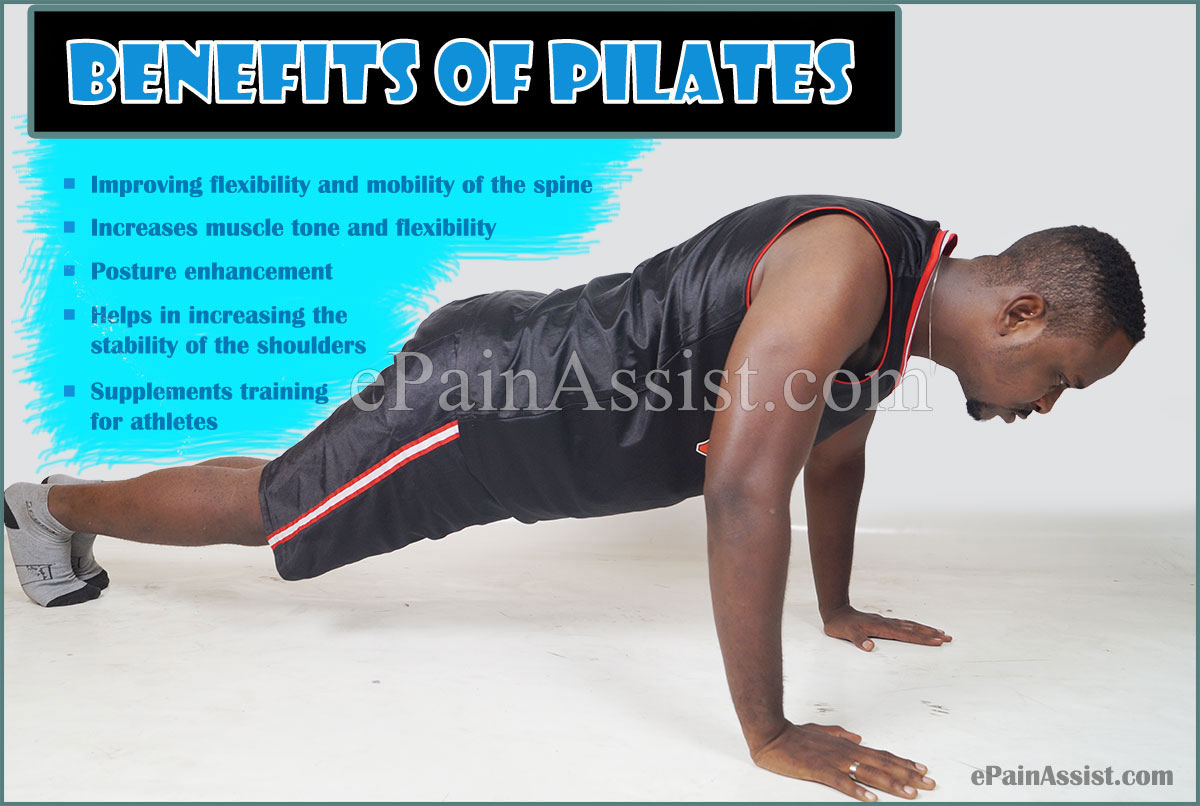
  • Pilates is beneficial in improving flexibility and mobility of the spine.
  • Increases muscle tone and flexibility.
  • Posture enhancement is one another benefit of pilates.
  • Helps in increasing the stability of the shoulders and pelvis.
  • Encourages effective and supportive core.
  • Supplements training for athletes.
  • Pilates improves mobility and support from the surrounding musculature thereby promoting the health of joints.

Benefits of Pilates on Other Conditions

  • Pilates helps in physical rehabilitation.
  • Pilates is beneficial in preventing injury.
  • Helps in improving balance and coordination, especially for the elderly.
  • Pilates acts as a safe and excellent type of exercise for ante and post-natal women.
  • Helps in conserving and improving bone density.
  • Provides relief from aches and pains.
  • Pilates improves circulation and increases the efficiency and function of the lungs.
  • It acts as a safe and beneficial form of exercise for an extensive range of medical conditions such as osteoporosis, scoliosis, arthritis and multiple sclerosis.

General Well-being Benefits of Pilates

  • Reduces stress and tension and promotes a sense of well-being.
  • Makes you look and feel better.
  • Combines mind, body and spirit.
  • Enhances quality of life.
  • Increases awareness of the body.

How Pilates Can Help Overcome Back Pain?

Pilates is a core strengthening exercise technique.

The foundation of Pilates exercise is the Core Strength. The deep, internal muscles of the abdomen and back are known as the core muscles. The core muscles are trained in Pilates to be strong and efficient in doing their job, as a result of which they work in harmony with the superficial muscles of the trunk in order to support the spine and its movement. As the core strength is developed, so is the stability throughout the entire torso. This is one of the reasons why Pilates help in overcoming back pain. If the trunk is properly stabilized, then the pressure on the back is relieved thereby resulting in free and efficient movement of the body.

The Six Principles of Pilates

  1. Centering
  2. Control
  3. Flow
  4. Breath
  5. Precision
  6. Concentration

The above six principles of Pilates are important elements in conducting a high quality Pilates workout. The six Pilates principles along with torso stability and core strength set the Pilates method apart from other types of exercise such as weight lifting or aerobics.

Equipment for Pilates

Exercises of Pilates are done either on floor or on a mat. Pilates exercise equipment and mat work is developed by Joseph Pilates. The workout equipment used in Pilates commonly utilizes pulleys and resistance from the participant’s own body weight on the machine and categorized stages of springs. One of the best pieces of resistance equipment is “The Reformer.” This machine helps in giving you a well regulated exercise resistance which helps in improving your body alignment, flexibility and core strength.

Equipment for Pilates

Reformer Pilates Equipment

The fundamental basis of the reformer equipment is pushing or pulling your body on the carriage against the resistance given by the springs and your own body weight. Some reformers are made of metal and some are made of wood. They may also have ropes/leather straps with it. The basic components of a Pilates reformer machine include:

  • A foot-bar, which you can adjust according to the desired height. You can take the help of your instructor to decide which height is best suitable for you.
  • Springs: There are springs present in reformer, which give you an additional resistance. Your own body weight provides you with the rest of the resistance. The springs are arranged in different colors according to the degree of resistance they provide. Commonly, the green color indicates the lightest resistance followed by blue, then yellow. Red colored spring gives you the highest resistance.
  • Carriage: The region where you lie down or place your body is known as the carriage. This can be moved by pulling the ropes or straps or by pushing against the foot bar. The carriage slides back and forth depending on your effort and the degree of resistance by the springs. You can do exercises on the reformer in various positions such as sitting, lying down, standing, or kneeling on the carriage.
  • Headrest: The headrest is for providing support to your head. According to your preference and comfort level, you can keep it completely down or propped up.
  • Shoulder Blocks: The shoulder blocks present in the reformer help in keeping your body stable while you are pushing or pulling the carriage. Shoulder blocks can also be used as props for the hands, knees and feet.
  • Straps: These are attached to the pulleys with handles at their ends, so you can grasp it when pulling or pushing the carriage.

Mat Pilates

This is simply where the pilates are done on an exercise mat using your own body for resistance instead of a reformer machine. Pilates mats are more thicker, cushioned or padded than the regular exercise mats. They can stretch to accommodate you entire body’s length. You can also use balls, bands, and resistance rings when doing mat pilates.

Breathing in Mat Pilates

Focus on the breathing is important in mat pilates. Breathing from the belly is needed here instead of breathing from chest. When inhaling, your ribs expand and your lungs fill with air. When exhaling, there is contraction of your ribs. This breathing technique helps in stabilizing your spine and gives your abdominals are good workout.

Exercises in Mat Pilates

Mat Pilates exercises concentrate on strengthening your muscles present in the back, abdomen and hips. You need to keep your torso stabilized and concentrate on keeping your abdominals contracted while doing pilates exercises. You can later on perform advanced pilates exercises using other pilates equipment like barrels, cadillac and reformer.

So, what are you waiting for? Go join the nearest pilates exercise classes or you can start doing simple basic pilates exercises at home with the help of introductory DVDs on mat pilates to gain that fabulous body, strength and stamina which you have always wanted.

Also Read:

Zumba: Training, Music, Types, Gold, Toning, Aqua, Circuit, Clothing, Weight Loss

0

What Is Zumba?

Zumba is a Colombian dance fitness program developed by dancer and choreographer Alberto “Beto” Perez during the 1990s. Zumba integrates the characteristics of dance and aerobics by combining Latin music and dance moves which are easy-to-follow. Zumba workout comprises of interval training, alternating fast and slow rhythms and resistance training. The reason for popularity of zumba is due to its unique and fun way of working out. Zumba’s choreography includes hip-hop, samba, salsa, soca, mambo, merengue, martial arts and also belly dance and Hollywood moves. Other than dance moves, squats and lunges are also included.

When doing zumba, if a specific movement or position causes you pain, then change the workout so as to avoid that particular position, which is causing pain. Always remember that correct technique is important, especially when you are training with resistance. So when doing zumba, always focus on the right technique and method instead of just dancing blindly.

About Zumba Training

A single session of zumba usually lasts about an hour and is taught by licensed instructors by an organization known as Zumba Academy. This academy offers a Zumba Instructor Training course for people who are interested in zumba training.

Zumba Music:

Zumba Music Dance

The exercises are done with music and involve fast and slow rhythms along with resistance training.The following dance varieties make up the zumba music: Cumbia, salsa, merengue, flamenco, mambo, reggaeton, chachacha, samba, soca, belly dancing, hip hop music, bhangra, tango and axé music.

Different Types Of Zumba Classes:

The zumba workout has eight different types of classes for different levels of exertion and age.

These eight different types of zumba classes are: Zumba, Zumba Gold, Zumba Toning, Aqua Zumba, Zumbatomic, Zumba in the circuit, Zumba Gold-Toning and Zumba Sentao.

Zumba Gold: It is for older people and is specially designed according to the requirements of the elderly. Zumba Gold has the same type of zumba music as the zumba fitness party class.

Zumba Toning: It is for those individuals who use toning sticks with their workouts. Zumba Toning targets the abs, arms, thighs and other muscles of the body.

Aqua Zumba: As the name itself suggests, zumba done in a swimming pool.

Zumba In The Circuit:Is where the zumba dance workout is done with circuit training.

As there are various options available in zumba, it is considered to be safe for all ages. Some of the zumba classes are specially designed for the elderly people in order to help them with strength building and improving their motion and posture along with socializing with other people of their own age.

Zumba Clothing:

Care should be taken to wear appropriate clothing which is comfortable when doing zumba. Zumba clothes should be comfortable and made of absorbent material. You can wear anything in which you feel comfortable to dance and workout. You can also use other types of fitness clothes such as sweat pants, shorts, t-shirts, tank tops; anything which is comfortable for you and allows you free movements. Also take care to wear the right footwear. You can opt for studio or dance shoes also.

Is Zumba Good For Weight Loss?

Yes, zumba helps in losing weight. If you take a healthy balanced diet along with doing zumba fitness, then it definitely helps in weight loss and what’s more you have a lot of fun along the way too!

Also Read:

What is Custom Foot Orthotics? What are the Types of Custom Made Foot Orthotics?

What is Custom Foot Orthotics?

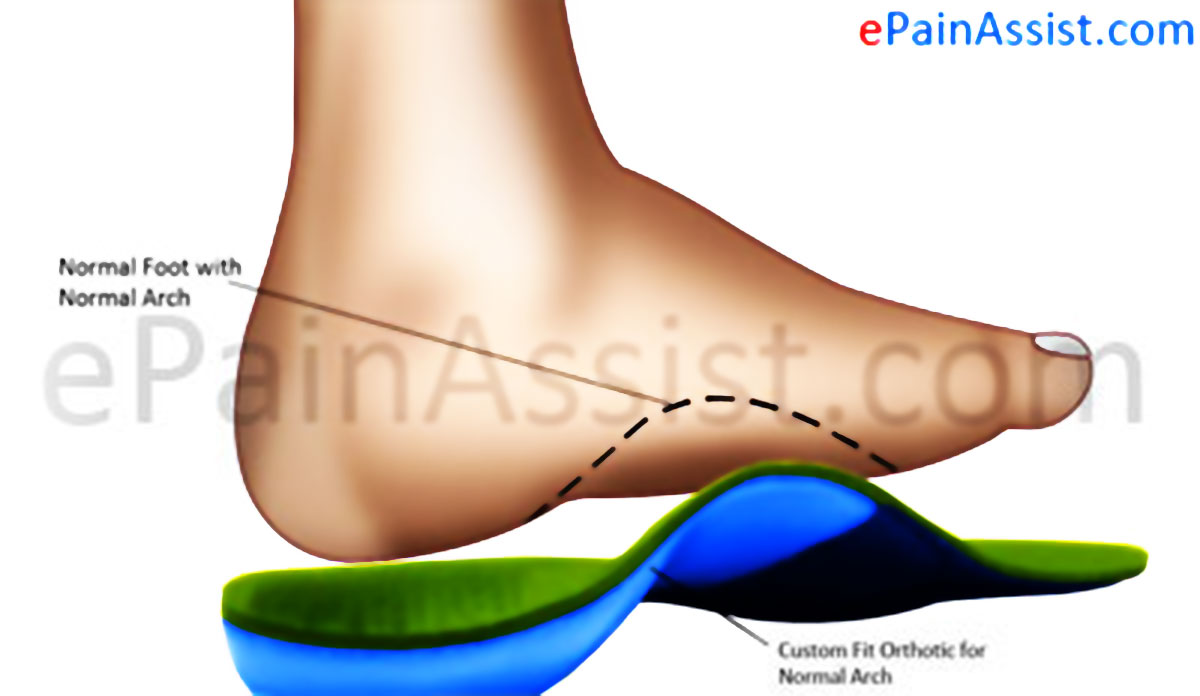
Orthotics is an insertable supportive device into a shoe in order to provide support to the person having problems related to foot such as flat feet or feet with high arch. Custom made orthotics help in reducing the stress and strain, which the feet suffer from everyday walking. They help in relieving pain and improving foot function. Orthotics helps to realigning or correct bad/poor alignment and decrease additional strain on the lower legs and feet. Orthotics can be purchased OTC or can be custom made. Orthotics do wonders with problems related to walking and alignment including knee, foot and lower back pain. Usually orthotics helps in realigning the bones within the foot and ankle and thus takes the pressure off other parts of the body such as the back, neck, shoulders, and hips. Other than this, orthotics also helps in proper weight distribution and takes off the excess pressure from toes, bunions, and other areas of the foot.

Orthotics can be used by anyone with a problem or discomfort related to walking or imbalances in the body resulting in pain. Orthotics can be worn daily and can be used during many activities to decrease additional stress of the body. A chiropractor can prescribe orthotics and most of the times they can last more than a year. Orthotics is a wonderful investment for your overall health.

Custom Made Foot Orthotics

Custom made foot orthotics are insoles which are made from the utmost quality material and are worn inside the shoe. These are usually hand crafted. They are designed as per individual specifications to relieve pain in the ankle, foot, knee hip and/or lower back. They provide support to unduly stressed areas and may also limit the movement of the unstable joint of the affected foot by changing the position of the foot. This redistribution of pressure across the kinetic chain has a positive effect on lower back, hips, and knees. Custom made foot orthotics decreases the high pressure areas, stabilize foot alignment and cushion the foot and do not permanently alter the body’s weight bearing anatomy. Custom made foot orthotics only function when you are standing or walking wearing your shoe. The life of custom made foot orthotics directly depends on the activity level and body weight of an individual. Custom made foot orthotics should be repaired or replaced regularly as they tend to get compressed and worn out over the time.

Orthotics will only work if proper footwear is used. Correct and appropriate footwear and fit is important for successful use of custom made foot orthotics.

Custom Made Foot Orthotics

Types of Custom Made Foot Orthotics

  • Semi-Rigid Foot Orthotic: The materials used in this kind of orthotics are high density rubber, flexible plastics and different thermoplastic materials. Semi-rigid custom made foot orthotics are used for correction of forefoot deformities, hyperpronation, shin splints, lower back pain, knee pain, hip pain, and sciatica.
  • Rigid Foot Othotics: The materials used in this kind of orthotics are firm plastic material and are used mainly for a dress style shoe. They usually extend to the metatarsal bones and are designed for controlling the movement foot joints lying directly below the ankle joint. This orthotics last longer due to the materials used.
  • Soft Foot Orthotics: This type of custom made foot orthotics works as a shock absorber and helps in taking the pressure off painful regions. They are especially useful for patients suffering from the arthritic problems in foot or having deformed feet where the protective fatty tissue is lost. It is also extensively used for diabetic foot.

Prolotherapy or Proliferation Therapy or Proliferative Injection Therapy: Uses, Side Effects, Benefits

What is Prolotherapy or Proliferation Therapy?

Prolotherapy, also known as “Proliferation Therapy” or “Proliferative Injection Therapy,” is injection of a non-medicinal irritant solution in the body. It is injected in the area of tendons or ligaments to promote strengthening of a feeble connective tissue and relieve musculoskeletal pains. The Prolotherapy or Proliferation Therapy is noninvasive and it’s aim is to stimulate healing. The basis of treatment of Prolotherapy or Proliferation therapy is to stimulate the human body’s naturally present healing mechanism so as to repair any injury to the musculoskeletal tissues.

Prolotherapy or Proliferation Therapy or Proliferative Injection Therapy

History of Prolotherapy or Proliferation Therapy or Proliferative Injection Therapy

The phenomenon of generating injury to facilitate healing has been known to occur as early as the Roman era. Prolotherapy or Proliferation Therapy has been an alternative pain treatment since ancient times. The treatment with Prolotherapy or Proliferation Therapy is believed to have started in the 1930’s by Dr. Earl Gedney. He was an osteopathic surgeon who was successful in treating his own severe hand injury. In the ’50s, a general surgeon named Dr. George Hackett from the United States of America started giving injections of irritant solutions to repair joints.

Uses of Prolotherapy or Proliferation Therapy or Proliferative Injection Therapy

Prolotherapy or Proliferation Therapy is used for management of chronic pain, acute pain, joint pain, or other pain management issues like back pain, knee pain, shoulder pain, neck pain, hand pain, migraines or other headaches, hip pain, ankle pain etc.

How is Prolotherapy or Proliferation Therapy or Proliferative Injection Therapy Performed?

Proliferative Injection Therapy

Prolotherapy or Proliferation Therapy is performed by injecting an irritant solution in a joint space, a weak ligament, or tendon insertion for pain relief. The most common solutions that are used for Prolotherapy or Proliferation Therapy are hyperosmolar dextrose, glycerine, lidocaine, phenol, and sodium morrhuate. The injections are given in the joints or tendons at their attachment to the bone. Prolotherapy is assumed to restart the inflammatory process that builds up new fibers and thus repairing flaccid tendons or ligaments. It also promotes release of local growth factors. The precise method of action is still not known but once repaired the weak areas stop sending pain signals to the brain.

Prolotherapy or Proliferation Therapy treatment is generally given after every two to a maximum of every six weeks for a few months. Many people get Prolotherapy treatments at lesser intervals till the time they are not required.

What are the Side Effects of Prolotherapy or Proliferation Therapy or Proliferative Injection Therapy treatment?

Some people who have received Prolotherapy or Proliferation Therapy have come across mild side effects, which may include pain at the site injected along with numbness or mild bleeding. This pain is generally temporary and is treated with acetaminophen or in exceptional cases opioids. Nonsteroidal antiinflammatory drugs are generally not used, but are given to those patients who have pain that is not calmed down by other forms of pain control. Some other adverse effects of Prolotherapy or Proliferation Therapy include lightheadedness, allergy to the agent injected, infection, or damage to the nerve.

There are different types of Prolotherapy. They are named as Dextrose Prolotherapy, PRP Prolotherapy, and Biocellular Prolotherapy.

Benefits of Prolotherapy or Proliferation Therapy or Proliferative Injection Therapy

Prolotherapy or Proliferation Therapy or Proliferative Injection Therapy is found to be beneficial in treatment of various ailments as following:

  • Low back pain.
  • Knee osteoarthritis.
  • Achilles tendinopathy.
  • Shoulder dislocation.
  • Neck strain.
  • Sacroiliac joint dysfunction.
  • Costochondritis.
  • Lateral epicondylitis.
  • Fibromyalgia.
  • Pain due to a whiplash injury.
  • Plantar fasciitis.

Wrist Pain: 9 Major Medical Conditions that Cause Wrist Pain or Wrist Joint Pain

What Are The Causes Of Wrist Pain or Wrist Joint Pain?

Wrist Joint Pain

9 Major Medical Conditions That Can Cause Wrist Pain or Wrist Joint Pain are

  1. Injuries-
    • Fall- uneven surface, ice, or slope.
    • Automobile or work accident.
  2. Inflammation of the soft tissue and bones supporting the wrist joint-
  3. Infection of wrist joint.
  4. Pseudogout.
  5. Gout.
  6. Carpal Tunnel Syndrome.
  7. Ganglion Cysts.
  8. Guyon’s Canal Syndrome.
  9. Kienbock’s Disease.

What Are The Risk Factors of Wrist Joint Dislocation?

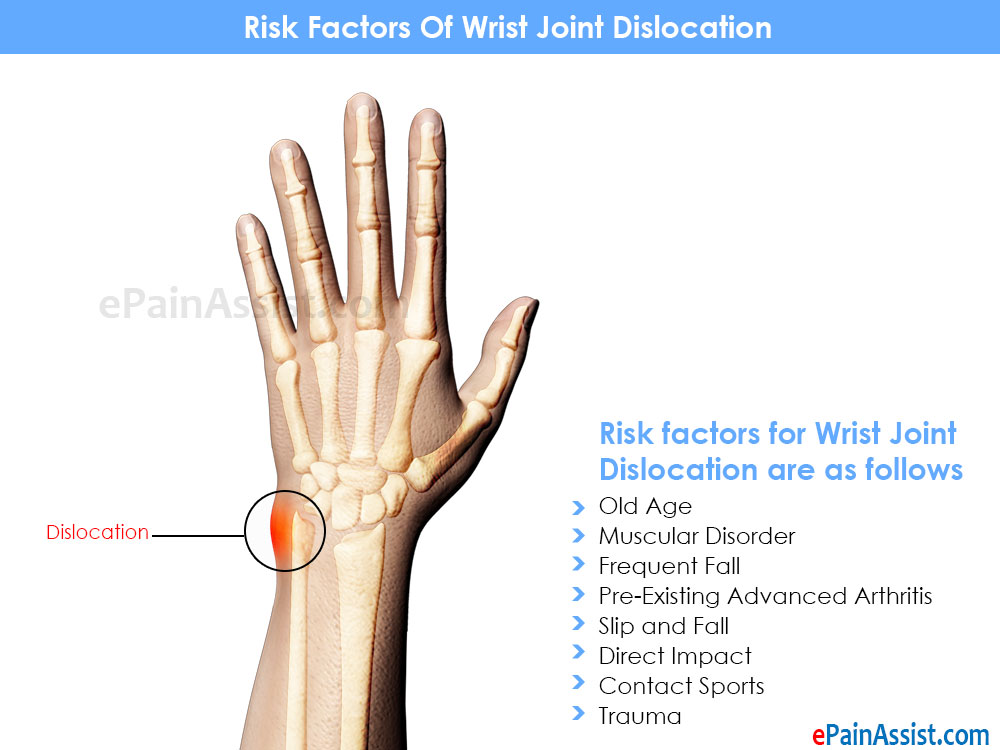
Risk factors for Wrist Joint Dislocation are as follows

  • Old Age.
  • Muscular Disorder- Muscle Weakness.
  • Frequent Fall- Epilepsy, dizziness, vertigo.
  • Pre-Existing Advanced Arthritis- Osteoarthritis and Rheumatoid Arthritis.
  • Slip and Fall- On slippery surface.
  • Direct Impact.
  • Contact Sports- like Wrestling, Football or Ice Hockey.
  • Trauma.

Risk Factors Of Wrist Joint Dislocation

What Are The Different Types of Trauma Causing Wrist Joint Injury?

Different types of injury are classified as follows:

  • Blunt Injury.
  • Penetrating Injury.
  • Sudden Impact Injury.
  • Repetitive stress Injury.

Wrist Pain or Wrist Joint Pain Caused Due to Blunt Injury to The Wrist

Blunt injury results from sudden impact or repetitive stress injury. Blunt injury is often seen following fall, auto accident and work accident. Blunt injury often causes tendon or muscle sprain and soft tissue partial or complete tear. Rarely, a fracture or dislocation may occur following blunt trauma.

Wrist Pain or Wrist Joint Pain Caused Due To Penetrating Injury

Penetrating injuries is often seen following sharp object penetrating through skin into deeper tissue. Depth of penetrating injury depends on force of impact and sharpness of object. Penetrating injury may result in tear of soft tissue or fracture of bones. Penetrating injury is often seen following major accident or fall. Auto or car accident may induce severe forceful impact causing penetration of sharp object through soft tissue and bones.

Wrist Pain or Wrist Joint Pain Caused Due To Sudden Impact Injury

Sudden impact is often observed when patient is unaware of collision or impact during fall or accident. Sudden impact may produce blunt or penetrating wound.

Wrist Pain or Wrist Joint Pain Caused Due To Repetitive Stress Injury

Wrist joint activities that involve repetitive wrist motion often cause wrist joint soft tissue injury. Repetitive stress injury results following repetitive use of same tendon or muscles as seen in patients who may be combing several times a day. Continuous typing or using keyboard can cause stress injury of wrist joint.

Following are the repetitive stress injuries:

  • Sprain– Partial or complete tears of ligament and tendon.
  • De Quervain’s Disease– Repetitive stress injury that causes pain at the base of the thumb.

Different Tissue Injuries Causing Wrist Pain or Wrist Joint Pain

  • Soft Tissue Sprain– Contusion or bruises of soft tissue like tendon, ligaments and muscles caused by blunt trauma.
  • Soft Tissue Tear– Mostly caused by penetrating wound of the tendon, ligament and muscles.
  • Fracture– Blunt or penetrating injury of the bone may result in fracture of one or more than one bone associated with wrist joint.
  • Dislocation– Blunt or penetrating injury may cause dislocation or separation of the link between the bones forming the wrist joint.
  • Bleeding– Radial and ulnar artery lies along the wrist joint. Injuries to wrist joint can cause tear or laceration of main artery or branches resulting in mild to severe bleeding.
  • Nerve Damage– Three major nerves of wrist and hand are part of the wrist joint. Median nerve lies within carpal tunnel, ulnar nerve lies within Guyon’s Canal and radial nerve lies along lateral side of radius. Wrist joint injury can damage any one or more than one of these nerves.

Tissue Injuries Causing Wrist Pain

Wrist Pain or Wrist Joint Pain Caused Due To Wrist Joint Sprain

Bones of wrist joint in all three compartments are aligned as a link by ligaments and supported by tendons. Ligaments and tendons prevent wrist joint displacement or dislocation. Wrist joint sprain mostly results after blunt injuries. Sprained injury results in contusion or bruises of soft tissue like tendon, ligament or muscles. Sprain injury may be associated with swelling of the wrist joint and severe pain. Severe sprain often results in partial or complete tear of ligament or tendon.

Wrist Pain or Wrist Joint Pain Caused Due To Tear or Rupture of the Tendon

Rupture or tear of tendons is a serious injury resulting in severe restriction of the wrist joint and hand movements. Tear is either partial or severe. If tendon is torn then contraction of muscles to which tendon is attached causes extremely severe pain.

Why Is Tendon or Ligament Sprain or Tear a Common Wrist Joint Injury?

Twisting of hand by force can overstretch the ligament and tendon resulting in tear. Tendon and ligaments is non-elastic tight band of fibrous tissue attached to hard surface of bone and muscle fibers. During fall or twist, tendon or ligament is stretched to maximum length. In addition to being stretched, tendon is pulled by vigorously contracting muscles. Muscle contraction is a protective reflex during any painful events. Stretched tendon often results in tear when pulled by contracting muscles while opposite end is anchored to bone.

Wrist Pain or Wrist Joint Pain Caused Due To Wrist Dislocation

Wrist dislocation is separation of bones linked together as a joint. Most common wrist joint dislocation is between scaphoid and radius bone. Dislocation also occurs between carpal bones. Most common carpal wrist joint dislocation is between scaphoid and lunate bone. Distal wrist joint dislocation may occur between trapezium and head of metacarpal bone. Wrist dislocation is caused by forceful flexion, extension or side-to-side deviation of hand and wrist.

What Are The Different Types Wrist Joint Fractures Causing Wrist Pain or Wrist Joint Pain?

Classification of Fracture– Fracture is classified according to direction of the break or separation of the bones.

Direction-

  • Transverse.
  • Oblique.
  • Spiral.

Separation-

  • Hairline Fracture- Bone pieces or segments are not dislodged.
  • Partial Separating Fracture- Partial separation or shift is detected.
  • Complete Separation Fracture- Divided in several groups as follows-
    • Comminuted- Broken into several pieces.
    • Impacted Fracture- Bone fragments are impacted into adjacent fragments of fractured bone.
    • Avulsion Fracture- Fragments of the bone are displaced at adjacent position.

What Are The Causes of Wrist Fracture?

  • Injury– Fall, direct impact cause by auto or work accident.
  • Degenerative Joint Disease– Osteoarthritis.
  • Sports Injury– Fall, stress on impact over outstretched upper extremity.

Wrist Pain or Wrist Joint Pain Caused Due To Bursitis

Bursa is the synovial sac filed with lubricant fluid and lies between tendon, muscles and bones. There are several bursas around the wrist joint. Bursa protects tendon, ligaments and muscles from friction with bones resulting in soft tissue damage. Bursitis is the inflammation of the membrane of the bursa.

Causes of Wrist Bursitis Are As Follows:

  • Excessive strenuous use of the wrist joint.
  • Excessive non-strenuous activity of wrist joint.
  • Associated with Rotator Cuff Tendinitis.
  • Complications of Arthritis.

Wrist Pain or Wrist Joint Pain Caused Due To Tendinitis

Tendinitis is the inflammation of the tendon supporting the wrist joint.

Causes of Wrist Tendinitis are as follows:

  • Injury or Trauma.
  • Inflammatory Disease- Rheumatoid or Osteoarthritis.
  • Dislocation or Fracture.

What Is Wrist Joint Arthritis?

Wrist Joint Arthritis is the inflammation of the joint synovial membrane, cartilage and bone.

Following are the common joint inflammatory diseases:

  • Osteoarthritis– Osteoarthritis of the wrist joint is uncommon, usually occurring only in people who have injured wrist in the past.
  • Rheumatoid Arthritis– It is a disorder in which the body’s immune system attacks its own tissues. Rheumatoid arthritis is common in the wrist.
  • Psoriatic Arthritis– Joint disease associated with skin psoriasis.

Wrist Pain or Wrist Joint Pain Caused Due To Rheumatoid Arthritis

Rheumatoid arthritis (RA) is an autoimmune form of arthritis in which the antibodies and the immune cells attacks joint tissue causing inflammation, pain, and swelling. Any joint may be affected by rheumatoid arthritis including the wrist joint. Rheumatoid arthritis causes inflammation and thickening of synovial membrane and ligaments causing severe pain.

Wrist Pain or Wrist Joint Pain Caused Due to Degenerative Osteoarthritis

Osteoarthritis is a degenerative arthritis. Untreated or long lasting osteoarthritis causes thinning of bone and ligament results in degenerative arthritis. Osteoarthritis causes degeneration of the bones and joints. Osteoarthritis is caused by wear and tear of the cartilage that cushions the ends of your bones. Pain is mostly localized over wrist joint between radius and carpal bone. Joint movement is extremely painful.

Is Osteoarthritis A Self-Limiting Disease?

Osteoarthritis (OA) is not a self-limiting disease. Joint osteoarthritis if not treated may result in joint dislocation and tendon atrophy as well as tear. Initial pain is secondary to inflammation of synovial membrane and ligaments. Later pain is caused by dislocation or subluxation of the joint.

Wrist Pain or Wrist Joint Pain Caused Due To Psoriatic Arthritis

Psoriatic arthritis causes swelling and pain of the wrist joint and associated with the skin condition psoriasis. Many joints including the wrist joint may be affected by psoriasis. Joint inflammation is periodic, pain is seen during the period joint inflammation and pain often is absent if inflammation is diminished.

Wrist Joint Pain Caused Due To Psoriatic Arthritis

Wrist Pain or Wrist Joint Pain Caused Due To Gout

Gout is a form of arthritis in which uric acid or monosodium urate crystals periodically deposit in joints, causing severe pain and swelling. Uric acid crystals induce inflammation of synovial membrane and ligament. The wrist joint may sometimes be affected by gout. Gout is most often seen over big toe.

Wrist Pain or Wrist Joint Pain Caused Due To Pseudogout

Pseudogout means false gout. Pseudogout is caused by calcium pyrophosphate deposition over the cartilage or ligaments of the joint. The term Pseudogout is used to indicate the similarities of the disease since both the diseases are caused by deposition of inorganic compound and also the term differentiates the disease is caused by deposition of different inorganic compound.

Wrist Pain or Wrist Joint Pain Caused Due To Septic Arthritis

Septic arthritis is infection of the wrist joint. Most common infection of the wrist joint is caused by bacterial infection. Septic arthritis develops quickly, causing severe pain, joint swelling and fever. Joint movement and weight is extremely painful. Infectious arthritis is an emergency and hospitalization may be necessary for intravenous antibiotic treatment.

Causes of Septic Arthritis of the Wrist Joint are as follows:

  • Blunt Trauma.
  • Penetrating Injury.
  • Impaired Immune System- AIDS.
  • Diabetes.

Wrist Pain or Wrist Joint Pain Caused Due To Carpal Tunnel Syndrome?

Carpal tunnel syndrome is a painful condition of the wrist caused by severe pinch or pressure over medial nerve. Pain is spread through the hand along the median nerve. Carpal tunnel syndrome often presents as only pain. In few cases if tunnel is severely compromised then pain is associated with tingling, numbness and weakness.

Watch video of carpal tunnel syndrome causing wrist joint pain

What Can Cause A Carpal Tunnel Syndrome?

Causes of Carpal Tunnel Syndrome

  • Wrist Joint Dislocation.
  • Wrist Joint Fracture.
  • Obesity.
  • Hypothyroidism.
  • Diabetes.
  • Rheumatoid Arthritis.
  • Amyloidosis.
  • Sarcoidosis.
  • Multiple Myeloma.
  • Leukemia.

Wrist Pain or Wrist Joint Pain Caused Due To Median Nerve Neuropathy?

Carpal tunnel syndrome causes median nerve neuropathy.

Median nerve supplies sensory nerve fibers to thumb, index, middle and part of ring finger. Motor fibers are supplied to flexor tendons. Median nerve neuropathy is often seen in patients suffering with carpal tunnel syndrome. Median nerve neuropathy causes severe pain, tingling and numbness along the course of median nerve. Severe pinch of median nerve may result in weakness in the hand and wrist. Median nerve neuropathy if not treated may result in disability because of permanent numbness and weakness.

Wrist Pain or Wrist Joint Pain Due To Ganglion Cyst

Ganglion cysts are soft tissue cystic swelling like bursa. Ganglion cyst is filled with jelly-like fluid very common in hand and wrist. Ganglion cyst is often associated with joints and tendon. Ganglion cyst is painful condition and often restricts joint activities.

Wrist Joint Pain Due To Ganglion Cyst

Wrist Pain or Wrist Joint Pain Caused Due To Kienbock’s Disease

Kienbock’s disease is the type of wrist fracture caused by lack of blood supply to lunate carpal bone. The disease is also known as avascular necrosis of carpal bone.

The characteristics of the disease is as follows:

  • Affects young adults.
  • Secondary to lack of blood supply to carpal bone.
  • Most common carpal bone affected is lunate bone, which articulates with radius.
  • Lesion results in bone necrosis.
  • Often patient gives a history of injury.

Wrist Pain or Wrist Joint Pain Caused Due To DeQuervain’s Disease

DeQuervain’s disease is presented with severe pain over the radius bone at the base of the thumb. Pain is localized over radial styloid bone and two tendons. The symptom is triggered by irritation and pressure over tendon of abductor pollicis longus, and the extensor pollicis brevis in a very close space. DeQuervain’s Disease results in swelling and inflammation of the tendon and surrounding ligaments. Inflammation, tissue edema and vasodilatation create massive pressure resulting in severe pain on the radial or thumb side of the wrist.

Wrist Joint Pain Caused Due To DeQuervain's Disease

Wrist Pain or Wrist Joint Pain Caused by Guyon’s Canal Syndrome or Handle Bar Palsy

Guyon’s Canal Syndrome is also known Handlebar palsy. The canal lies between flexor retinaculum and to the pisiform and volar bone. Guyon canal is formed by a split in flexor retinaculum enclosing ulnar nerve and artery. Narrowing of canal can cause ulnar nerve pinch within the canal resulting in symptoms like tingling, numbness, or weakness. The syndrome is common among cyclist and is thus known as handlebar palsy.

Watch Video of Stretching and Strengthening Exercises For Carpal Tunnel Syndrome

References:

  1. Arthritis Foundation. (2021). Psoriatic Arthritis https://www.arthritis.org/diseases/psoriatic-arthritis

Also Read:

Frozen Shoulder : Understand the Signs, Causes, Examination, Treatment

Watch 3D Video of Frozen Shoulder and Understand the signs, Causes, Examination and Treatment

Frozen shoulder is a layman term that is used to refer any shoulder that is stiff. The term frozen shoulder encompasses all the medical conditions that can make the shoulder stiff including adhesive capsulitis. Frozen shoulder and adhesive capsulitis are often used interchangeably, but they may not be the same condition. Adhesive capsulitis can be referred to as a condition that involves the spontaneous, gradual onset of shoulder stiffness, and pain caused by tightening of the joint capsule. The frozen shoulder condition usually does not involve the capsule.

It is not yet clear why some people develop it, but some groups are more at risk. Frozen shoulder is seen happens more often in women than men, and the people who are between the ages of 40 and 60 are more likely to get it. If you have a weakened immune system, hormonal imbalance, and diabetes, you may be more prone to joint inflammation. A long period of inactivity due to an illness, injury, or surgery also puts you at higher risk for inflammation and adhesions, which are bands of stiff tissue.

An early diagnosis of frozen shoulder is important to prevent further progress and avoid surgery. A simple physical exam can help you to assess whether you frozen shoulder or not. Your physician will observe as you perform specific movements if you feel stiffness and pain in your shoulder, measure range of motion of the shoulder.

Generally most of the stiff or frozen shoulder issues can be managed successfully by a simple exercise program conducted by the patient at home. In addition to exercises, you may also take analgesics and anti-inflammatories for pain relief and reduce inflammation. Hot or cold compression packs can also significantly alleviate the pain, stiffness and swelling of the frozen shoulder.

Understanding Wrist Joint or Radiocarpal Joint: It’s Structure, Function, Movements

Understanding Wrist Joint

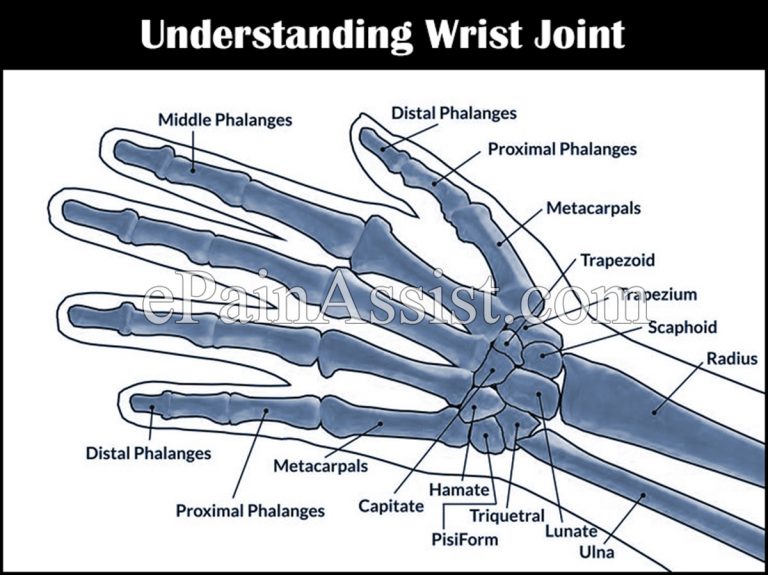
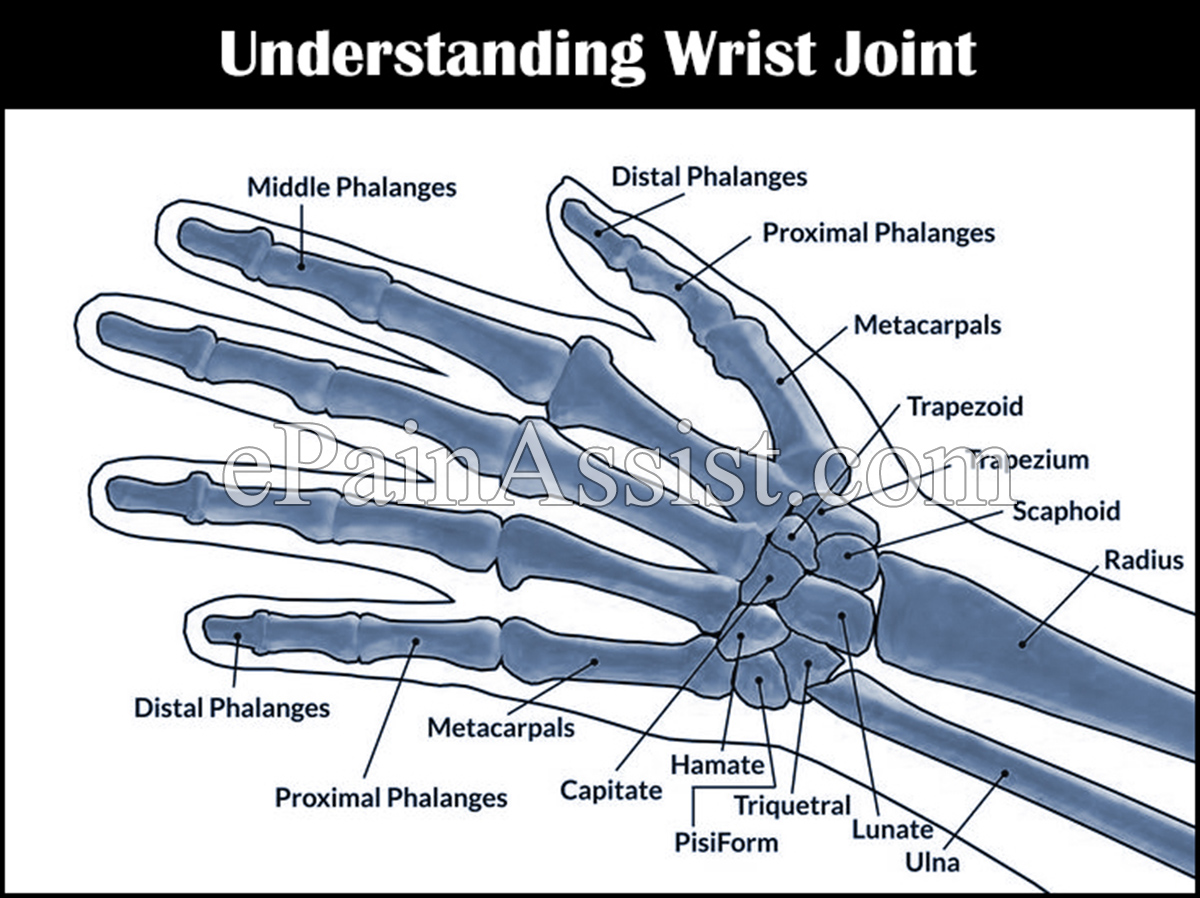
Wrist Joint is also known as Radiocarpal Joint. Wrist joint or Radiocarpal Joint internal articulating surface is covered by synovial membrane. Wrist joint is divided into proximal, middle, and distal compartments.

Understanding Wrist Joint

Proximal Wrist Joint Compartment-

  • Proximal wrist joint is formed between distal end (near wrist) of radius and ulna; and four small carpal bones.
  • Proximal wrist joint also involves a joint between radius and ulna.

Middle Wrist Joint Compartment-

  • Middle wrist joint is formed by links between eight small carpal bones lying adjacent to each other in proximal (facing head of radius and Ulna) and distal rows (facing head of metacarpal bone).

Distal Wrist Joint Compartment-

  • Distal wrist joint involves a link between four carpal bones of second row and proximal (near wrist) head of the metatarsal bone.

What are the Other Soft Tissues Involved In Wrist Joint or Radiocarpal Joint?

Wrist joint is a complex joint formed by following structures-

  • Retinaculum-
    • Carpal Tunnel or Flexor Retinaculum (front of the wrist joint).
    • Extensor Retinaculum (back of the wrist joint).
  • Ligaments– Several ligaments linking all bones.
  • Tendons- Several tendons are associated with wrist joint.

Describe The Proximal Wrist Joint or Radiocarpal Joint?

Proximal wrist joint compartment has 2 sets of joint.

  1. Ellipsoid Radio-Carpal Joint- The joint is a link between articular disc of radius and proximal row of carpal bones. Carpal bones forming joint with radius are scaphoid, lunate, and triquetral carpal bones. 
  2. Radius-Ulna Joint- Radius and ulna are linked by an anterior and posterior ligament connecting the two bones. Radius and Ulna rotates to accomplish pronation and supination movement without separation or subluxation because of ligaments holding the joint.

Structure of Wrist Joint or Radiocarpal Joint

List The 8 Carpal Bones of The Wrist Joint or Radiocarpal Joint?

Eight small carpal bones are placed in proximal and distal rows

Proximal Row: Names of the carpal bones of first row

  • Scaphoid
  • Lunate
  • Triquetrum
  • Pisiform

Distal Row: Name of the carpal bone of the second row

  • Trapezium
  • Trapezoid
  • Capitate
  • Hamate

What Are The Different Types Of Fracture Of Wrist Joint or Radiocarpal Joint?

Most common fracture is Colles’ fracture and fracture of scaphoid bone.

Wrist Joint or Radiocarpal Joint
  • Distal Radius Fracture also known as Colles Fracture
  • Distal Ulnar Fracture
  • Carpal Fracture– 
  • Radiocarpal
  • Intercarpal
  • Midcarpal
  • Carpometacarpal
  • Intermetacarpal joints

What Is The Function of Extensor Retinaculum?

Extensor retinaculum lies on dorsal side of the wrist under the skin. Extensor muscle tendon passes between the extensor retinaculum and the underlying bones. Extensor retinaculum prevents the herniation of tendon under the skin during bending and movements of the wrist. Bending and movements of the wrist joint may displace the tendon in the direction of least resistance resulting in bowstrings shape of herniation of the extensor tendon. Extensor retinaculum prevents the herniation.

What Is The Function of Flexor Retinaculum?

Flexor retinaculum lies on palmer side. The space or tunnel between flexor retinaculum and underlying bones is known as Carpal Tunnel. Flexor retinaculum protects the median nerve and flexor muscle tendons, which are located within carpal tunnel underneath the flexor retinaculum.

What Are The Different Movements Of The Wrist Joint or Radiocarpal Joint?

Different movements of the wrist joint are as follows-

  • Flexion- Wrist is bent towards the palmer surface of forearm.
  • Extension- Wrist is bent towards the dorsal surface of the forearm.
  • Abduction or Radial Deviation- Hand movement towards the thumb.
  • Adduction or Ulnar Deviation- Hand movement toward little finger.
  • Pronation- Rotation of hand towards body.
  • Supination- Rotation of hand away from the body.

Which Are The Muscles Involved In Wrist Joint Abduction or Radial Deviation?

Which Are The Muscles Involved In Wrist Joint Adduction or Ulnar Deviation?

  • Extensor Carpi Ulnaris
  • Flexor Carpi Ulnaris
  • Extensor Digitorium
  • Extensor digiti minimi

Which Are The Muscles Involved In Wrist Extension or Dorsiflexion?

Wrist extension is also known as a dorsiflexion.

  • Extensor Digitorium
  • Extensor Carpi Radialis Longus
  • Extensor Carpi Radialis Brevis
  • Extensor Indicis
  • Extensor Pollicis Longus
  • Extensor Digiti Minimi
  • Extensor Carpi Ulnaris

Ulnar Deviation

Which Are The Muscles Involved In Wrist Flexion Or Palmer Flexion?

Palmer flexion is much stronger than palmer extension or dorsiflexion.
Muscles involved in palmer flexion are –

What Is Pronation And Supination Movement?

Pronation and supination is the rotation movement that occurs at the proximal wrist joint between radius and ulna.

  • Pronation– Rotation of hand towards body
  • Supination– Rotation of hand away form body

What Is Carpal Tunnel?

Carpal tunnel is a channel between flexor retinaculum (transverse carpal ligament) and underlying bones. Carpal tunnel contains tendons and median nerve.

  • Tendons- Finger flexors (9 tendons) course through tunnel
  • Nerve- Median Nerve
  • Triangular Fibrocartilage Complex (TFCC) 

What is Guyon’s Canal?

Guyon’s Canal lies between flexor retinaculum and to the pisiform and volar bone. Guyon’s canal is formed by a split in flexor retinaculum enclosing ulnar nerve and artery. Narrowing of canal can cause Ulnar Nerve pinch within the canal resulting in symptoms like tingling, numbness, or weakness. The syndrome is common among cyclist and thus known as handlebar palsy.

References:

Also Read:

What Can Cause Upper Abdominal Pain?

There are many causes for upper abdominal pain. Some of the common causes of upper abdominal pain include indigestion, gastritis, hiatus hernia, gallstones, and stomach ulcers. There are other causes of pain in the upper abdominal region, which are more serious, such as heart attack and acute pancreatitis. We have covered some of the common causes for upper abdominal pain.

It is very important to diagnose the exact reason for upper abdominal pain. For this, excluding the serious, but less common causes is important and these include: perforated duodenal ulcer, heart attack, acute pancreatitis, and dissecting abdominal aortic aneurysm.

Upper Abdominal Pain

What Can Cause Upper Abdominal Pain?

Upper abdominal pain can stem from right upper abdomen, left upper abdomen, or central upper abdomen area. Let us read on what can cause pain in any of these 3 upper abdominal region.

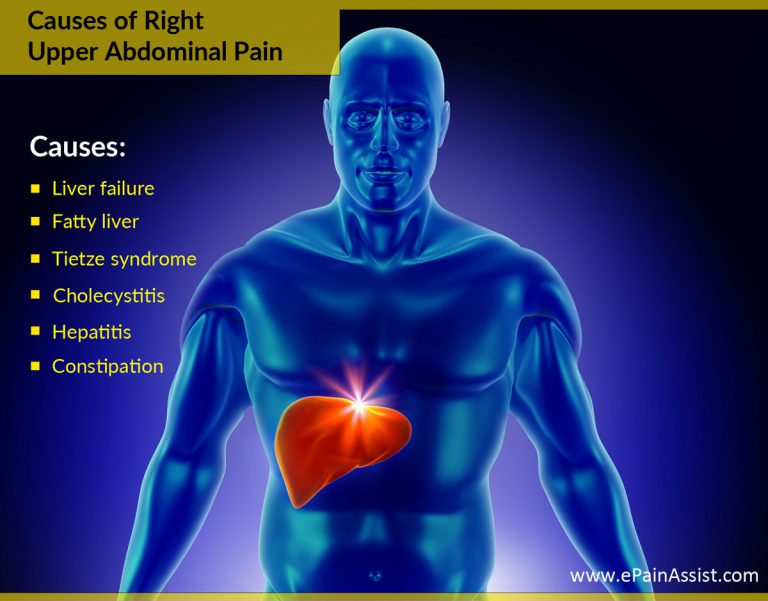
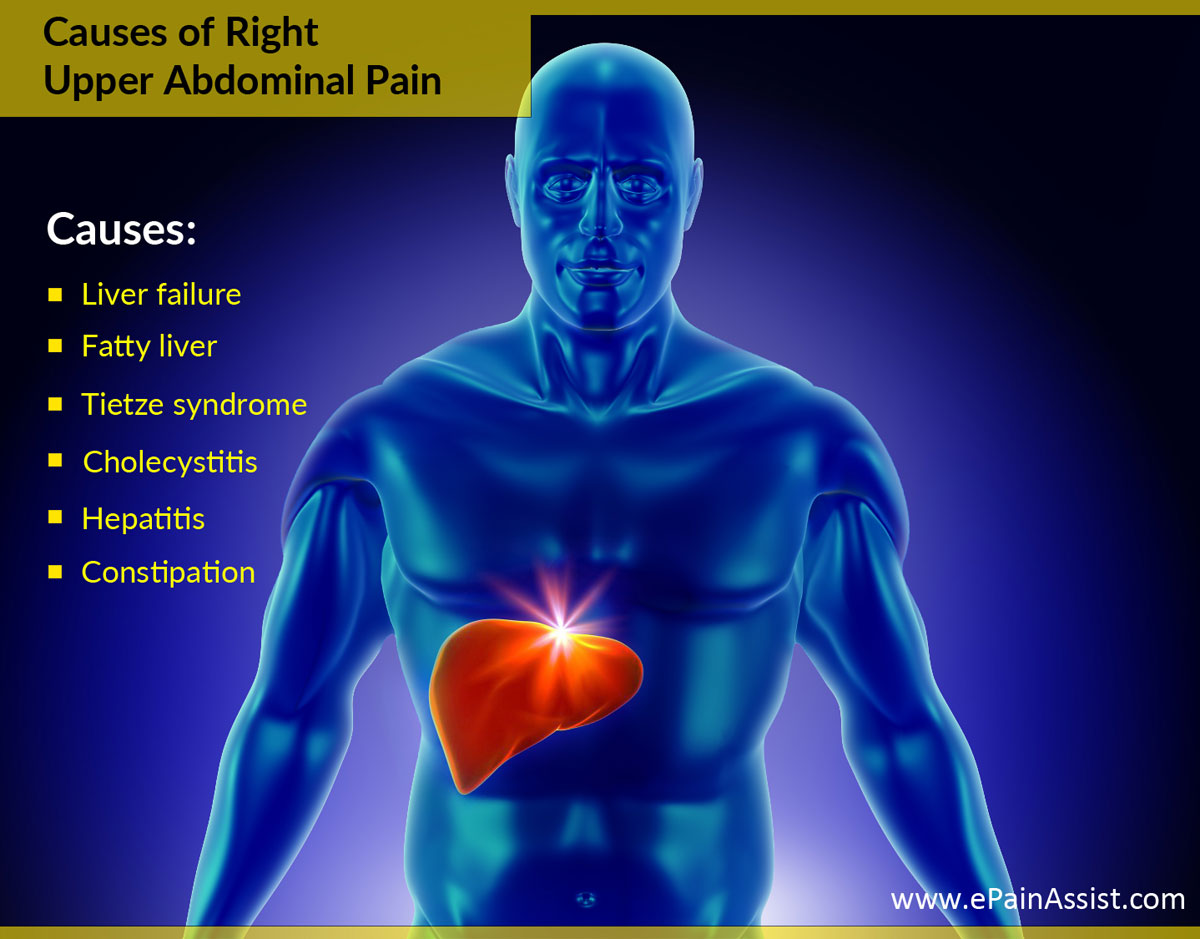
Causes of Right Upper Abdominal Pain

Right Upper Abdomen Region Contains The Following Organs:

  • Gall Bladder.
  • Right Half of the Liver.
  • Right Kidney.
  • Right Ureter.
  • Ascending Colon.
  • Lower Region of the Right Lung.
  • Right Adrenal Gland.
  • Lower Ribs.
  • Skin, Muscles and Blood Vessels in this Region.

Any problem or injury to the above organs causes right upper abdominal pain.

Some Of The Common Causes Of Right Upper Abdominal Pain Are:

Some of the Common Causes for Central Upper Abdominal Pain Are Gastritis, Dyspepsia, Acute Pancreatitis.

  1. Right Upper Abdominal Pain Due To Gall Bladder Conditions:

    The function of the gallbladder is to store bile. Sometimes, there are stones formed in the gallbladder resulting in right upper abdominal pain. This is known as biliary colic. Cholecystitis is another medical condition where there is infection of the gall bladder.

    Symptoms of Biliary Colic Are:

    • Sudden severe pain, which is dull in nature, occurring in the right upper abdomen.
    • Pain radiates to the right back and beneath the right shoulder blade.
    • Pain can be spasmodic or continuous.
    • Nausea or vomiting may be present.
    • Patient is unable to adopt a comfortable position and is restless because of pain in right upper abdominal region.
    • Pain gets aggravated after consuming a heavy/fatty meal.

    Seek immediate medical attention if you are experiencing any of the above symptoms related to right upper abdomen. Surgery is needed for gallstones causing right upper abdominal pain.

  2. Right Upper Abdominal Pain Caused Due To Kidney Stones:

    The function of the kidney is to excrete waste products in the form of urine, after it filters them from the blood. Stones are formed in the kidneys due to accumulation of salts. Small stones may not cause any symptoms, but stones larger than 7 mm can cause excruciating right upper abdominal pain if stones are formed in the right kidney. CT scan helps with the diagnosis. If left untreated, it can result in obstruction of the ureter, infection, and hydronephrosis.

    The Nature of Upper Abdominal Pain Occurring From Kidney Stone:

    • Pain in upper abdominal region occurring from kidney stone can be gradual or sudden in onset.
    • Pain is extremely severe in nature and is spasmodic.
    • Pain commences in the right or left upper flank and spreads towards the abdomen.
    • Fever may be present.
    • Pain when urinating.
    • Frequent urination.

    If you are experiencing any of the above symptoms, then seek immediate medical attention.

  3. Right Upper Abdominal Pain Caused Due To Right Sided Lower Lobe Pneumonia:

    Inflammation or infection of the lung is known as pneumonia. If the lower region of the right lung is infected, it causes right upper abdominal pain.

    The Nature of Upper Abdominal Pain Caused Due To Right Sided Lower Lobe Pneumonia:

    • Continuous pain, dull in nature.
    • Worsening pain with coughing.
    • Difficulty in breathing.
    • Cough with yellow or greenish sputum/phlegm.
    • High grade fever may be present.
    • General ill appearance.

    Seek immediate medical attention if you experience the above mentioned symptoms.

  4. Other Causes of Right Upper Abdominal Pain are:

Causes of Left Upper Abdominal Pain

Left upper abdominal pain is not that common when compared to pain in other regions of the abdomen. Spleen is the major organ found in this region. Other organs or structures found in the left upper abdomen area are:

  • Left Side of the Liver
  • Tail of the Pancreas
  • Left Adrenal Gland
  • Left Kidney
  • Left Ureter
  • A Part of the Transverse and Descending Colon
  • Left Lower Ribs
  • Lymph Nodes Blood Vessels, Skin and Muscles Present Over the Left Upper Abdomen

Some of the Common Causes of Left Upper Abdominal Pain are:

  1. Left Upper Abdominal Pain Caused Due to Costochondritis:

    Inflammation of the lower ribs at the junction of the cartilage and bone is known as costochondritis. It commonly occurs after bouts of cold and cough or after any surgery. Pain is usually moderate to severe in the upper abdomen surrounding the ribs. Pain is aggravated upon inhaling, coughing, or pressure over this region.

  2. Constipation:

    Left upper abdominal pain without bowel movement for some days is likely from constipation. Pain is accompanied with bloating, farting, decreased appetite, and difficulty in passing stools. Taking laxatives, increasing fiber in your diet, drinking lots of water helps in relieving constipation.

  3. Trapped Wind:

    This is a common cause of left upper abdominal pain and is accompanied with bloating and rumbling sounds from the stomach. Trapped wind is also called as trapped gas pain. Pain can be quite severe in nature and occurs after eating gas producing foods, rapid consumption of a meal, intolerance to certain foods and other medical conditions.

  4. Other Causes of Left Upper Abdominal Pain Are:

    • Pain From Spleen
    • Stone in the Left Kidney
    • Bowel Cancer
    • Abdominal Aortic Aneurysm
    • Pulmonary Embolism on the Left Side
    • Shingles
    • Pulled Muscle
    • Pneumonia in the Left Lower Lobe
    • Porphyria
    • Myofascial Pain Syndrome.

    As you can see, there are various causes for left upper abdominal pain. After careful assessment, investigations and diagnosis, treatment can be started depending on the cause of the pain.

Causes of Central Upper Abdominal Pain

The following organs or structures are present in the central upper abdomen region:

  • Stomach
  • Lower Part of Esophagus
  • Pancreas
  • Middle Region of the Liver
  • Duodenum
  • A Part of Small Intestine
  • Colon
  • Aorta
  • Abdominal Floor Muscles
  • The Lumbar Vertebrae

Any problem with the above structures causes central upper abdominal pain.

Some of The Common Causes for Central Upper Abdominal Pain Are:

  1. Gastritis as a Cause for Central Upper Abdominal Pain:

    This is a condition where there is inflammation of the inner lining of the stomach and can cause pain in the central region of upper abdomen. It is caused by stress, excessive alcohol, smoking, NSAIDs, calcium channel blockers, nitrates, steroids, and certain antidepressants.

    The Upper Abdominal Pain In Gastritis Is Felt As:

    • Pain is located between the sternum and belly button.
    • It can be sharp or dull and is continuous.
    • Worsened by pressure, but not movement.
    • Nausea and vomiting may be present.
    • Pain can radiate towards the back.
    • Eating can aggravate or alleviate the pain.
  2. Central Upper Abdominal Pain Caused Due to Dyspepsia:

    This is commonly known as indigestion and causes pain in the central upper abdominal region after having a meal.

    Other Symptoms of Dyspepsia Causing Central Abdominal Pain Include:

    • Bloating in the upper abdomen
    • Burping/belching
    • Nausea
    • Vomiting
    • Feeling of fullness after eating only little
    • Feeling of fullness in the upper abdomen region

    More Serious Symptoms Include: Decreased appetite, weight loss, difficulty in swallowing, vomiting blood or having dark colored stools. Please consult your physician immediately if you are having any of the above symptoms.

  3. Central Upper Abdominal Pain Caused Due to Acute Pancreatitis:

    This is a condition where there is inflammation of the pancreas and can cause central upper abdominal pain. This occurs commonly due to gallstones or excessive alcohol intake. The function of the pancreas is to produce enzymes which help with digestion. It also produces insulin.

    Upper Abdominal Pain From Pancreatitis Is Felt As:

    • Severe and continuous pain in the central upper abdominal region which worsens over the next few hours.
    • Pain radiates to the center of the back.
    • Lying on the side with flexed knee or leaning forward alleviates the pain.
    • Central upper abdominal pain gets aggravated upon lying flat.
    • Retching.
    • Vomiting.
    • Fever may be present.
    • Yellow discoloration of the sclera.

    If you are having any of the above symptoms, then seek immediate medical attention, as pancreatitis is a dangerous condition and requires immediate treatment; which comprises of I.V. fluids, pain killers and antibiotics if needed. Surgery may also be required; however, it is rare.

Also Read:

9 Causes of Abdominal Pain or Stomach Ache After Eating & Its Symptoms, Treatment

The function of the stomach is to digest food, which you have consumed. It is located in the upper left side of the abdomen. Abdominal Pain or Stomach Ache After Eating can occur from various causes. It could be from food poisoning, stomach flu or from something as simple as overeating. Abdominal Pain or Stomach Ache after eating can be severe or mild and its treatment depends on the cause of the pain.
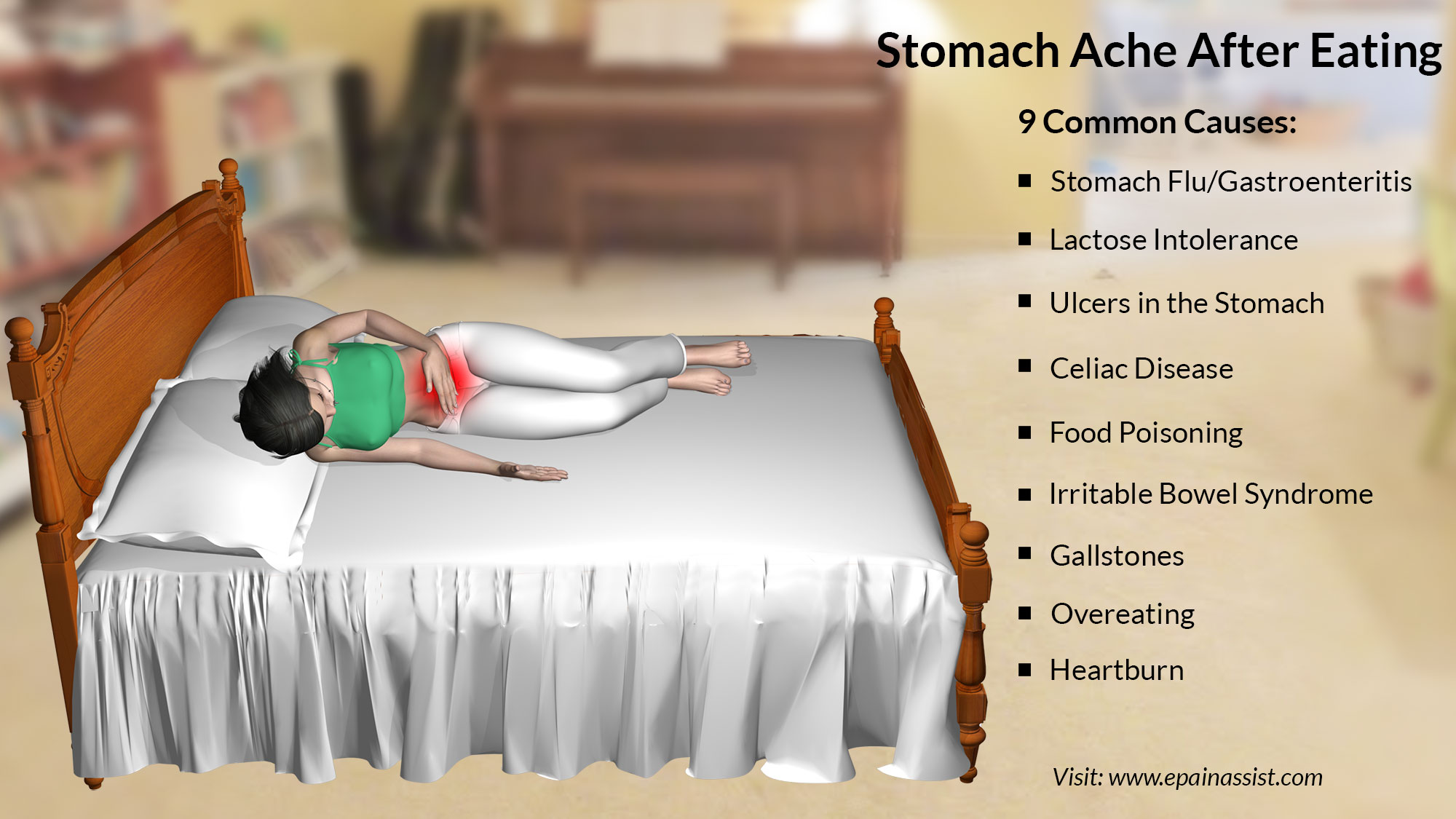
Abdominal Pain or Stomach Ache After Eating

9 Causes of Abdominal Pain or Stomach Ache After Eating

  1. Stomach flu / Gastoenteritis
  2. Lactose Intolerance
  3. Stomach Ulcer
  4. Celiac Disease
  5. Food Poisoning
  6. Irritable Bowel syndrome
  7. Gall Stone
  8. Overeating
  9. Heartburn

Stomach Flu/Gastroenteritis: Cause of Abdominal Pain or Stomach Ache After Eating

This is a stomach infection resulting from consuming contaminated food by viruses.1 The symptoms are caused by rapid multiplication of viruses in stomach mucosal epithelial cells that follows virus attacking the entire adjacent layer of stomach mucosa. The condition is also known as stomach flu or gastroenteritis. Stomach flu is one of the common cause for abdominal pain or stomach ache after eating.1

Symptoms of Stomach Flu-

Investigations to Diagnose Stomach Flu

Physical Exam- Physical examination is performed to rule out

dehydration and low blood pressure that may have caused by vomiting and diarrhea.

Stool Exam- Detects rotavirus or norovirus.

Blood Test- In most cases white blood cell count is high.

Treatment of Stomach Flu

  • Rest- Plenty of rest
  • Antiviral Medications- Antiviral medication do not help and avoided.
  • Antibiotics- Viral gastroenteritis doesn’t benefit from antibiotics.
  • Fluid- Patient is advised to drink lot of non-carbonated liquid like water or juices.
  • Anti-Diarrheal Medications- Imodium pills, Pepto-bismol or Kaopectine syrup.
  • Anti-Spasmodic Medication- Prescribed for abdominal cramp and pains. Medications available as anti-spasmodic are Loperamide (Imodium), Belladonna, Dicyclomine and promethazine (Phenergan)

Lactose Intolerance As A Cause of Abdominal Pain or Stomach Ache After Eating

This is a condition where a person doesn’t have the enzyme lactase resulting in them becoming lactose intolerant. Person having lactose intolerance may get abdominal pain or stomach ache after eating milk products or consuming milk.

Symptoms of Lactose Intolerance

  • Abdominal pain and cramping
  • Diarrhea
  • Nausea
  • Abdominal bloating
  • Flatulence

Investigations to Diagnose Lactose Intolerance

Stool Acidity Test- The acid concentration in stool is higher because of increased concentration of lactose acid in stool.

Lactose Tolerance Test- Lactose is converted to glucose in our body. Increased lactose intake causes increased blood sugar. Individual is asked to drink high concentrated lactose containing fluid. After 2 hrs, blood test is performed. No change of blood sugar level suggests lactose intolerance.

Hydrogen Breath Tests- Higher concentration of hydrogen ions are found in expired breath of patient suffering with lactose intolerance. The unabsorbed lactose ferments in bowel and produces excessive amount of hydrogen that gets absorbed. The excess hydrogen in blood is discharged in expired air that is absorbed in intestine

Treatment of Lactose Intolerance

Currently there is no specific treatment for lactose intolerance.

  • Fluid- Drink adequate amount of water, apple juice or non-gaseous soft drink.
  • Avoid milk product or any food that contains lactose.2
  • Abdominal pain is treated with antispasmodics. You must consult physician before trying over the counter antispasmodics. Most common antispasmodics used are belladonna, Librium, dicyclomine (bentyl) and hyoscyamine (levsin).

Ulcers in The Stomach As A Cause of Abdominal Pain or Stomach Ache After Eating

Ulcers in the stomach can cause abdominal pain or stomach ache immediately after eating. Ulcers are erosions in the soft lining of stomach or intestines. Stomach ulcer is also known as gastric ulcer. In most cases stomach pain is also caused by ulcers in duodenum. Duodenum is a proximal part of small intestine. It is often difficult to differentiate gastric and duodenal ulcer by just clinical examination. The gastroscopy helps to diagnose site of ulcer either in stomach or duodenum. The peptic ulcer is the common diagnosis that suggests ulcer is either gastric or duodenal in origin. Food with high acid content irritates and aggravates the ulcers that causes pain in the abdomen after eating.

Symptoms of Peptic Ulcer or Stomach Ulcer

Abdominal Pain or Stomach Ache- Pain is burning in character and severe in intensity.

Abdominal Cramping- Pain like abdominal cramp is felt few minutes after eating.

Nausea- Occasional pain is associated with nausea.

Vomiting- Vomiting is rare but observed when abdominal cramps causes reverse peristalsis.

Black or Tarry Stools- The stool often turns into dark brown or dark chocolate color when stool is mixed with blood. The mucosal surface of ulcer starts oozing blood when ulcer is associated with erosion of gastric mucosa.

Investigations to Diagnose Peptic Ulcer or Stomach Ulcer

Blood Tests- Low hemoglobin concentration is observed in most cases of chronic ulcer because of prolong blood loss from eroded ulcer.

Stool Tests- Stools examination shows present of blood in stool.

Endoscopy- Endoscopy is an examination of stomach and duodenum using endoscope. Endoscope is a small tubular and flexible camera. Procedure is performed under sedation in surgical center. The long tubular thin camera is passed through the mouth into stomach and duodenum. The images of stomach and duodenal mucosa is observed over television screen. In most cases suffering with ulcer, ulcer is seen during the procedure.

CT Scan and MRI– The radiological examination like computerize tomography (CT scan) or magnetic resonance imaging (MRI) does not show ulcer but the study helps to rule out other causes of stomach pain and bleeding like cancer of stomach and intestine.

Ultrasound Study- Ultrasound study helps to see the stomach content and also observe bleeding ulcer.

Treatment of Abdominal Pain or Stomach Ache Due to Peptic Ulcer or Stomach Ulcer

You must see your physician if abdominal pain does not respond to antacid and pain continues after 24 hours.

Antibiotics- Antibiotics are prescribed if stomach content shows presence H. pylori bacteria.

Anti-Acid Medications- The ulcer is irritated by hydrochloric acid secreted by stomach mucosa. Antacids neutralizes the hydrochloric acid. The food intake causes increased secretion of histamine in stomach and histamine stimulates secretion of stomach acid. The stomach acid secretion is reduced by blocking action of histamine and production of histamine in stomach.

Antacids- Antacids neutralizes stomach acid and prevents irritation of ulcer that helps to reduce intensity of pain. The ulcer healing is also promoted by less acid in the stomach content. Antacids are available over the counter in most pharmacies. The antacids most often used for treatment of peptic ulcers are Alka-Seltzer, Milk of Magnesia, Maalox, Mylanta, Rolaids, Pepto-Bismol and Tums.

H2 Blocker- Histamine receptors are classified as H1 and H2 receptor. Stimulation of these receptor increases secretion of stomach hydrochloric acid. Medication that blocks H2 receptor causes less secretion of hydrochloric acid. H2 blocker prescribed to treat peptic ulcer are Nizatidine, Pepcid and Tagamet.

Proton Pump Blocker- Stimulation of H2 receptor initiates mechanism of proton pump to secret hydrochloric acid by stomach mucosa. There are medications that directly block the proton pump and stops production of hydrochloric acid in stomach. The drugs that blocks proton pump are Nexium, prevacis and Prilosec.

Celiac Disease Causing Abdominal Pain or Stomach Ache After Eating

Celiac disease is another common condition which can be the reason for abdominal pain or stomach ache after eating. This is an immune system reaction which occurs after consuming gluten.3 Gluten is a protein present in barley, wheat, malt, semolina and rye.

Symptoms of Celiac Disease

  • Abdominal Pain- Pain is mostly observed following 1 to 2 hours after eating food. Pain intensity is moderate to severe. Pain is felt like burning and squeezing pain.
  • Diarrhea
  • Weight loss
  • Dehydration
  • Osteoporosis– osteoporosis is caused by lack of calcium and vitamin D. Osteoporosis causes multiple joint pain when patient is suffering with celiac disease.
  • Fatigue
  • Headache
  • Acid reflux.

Investigations to Diagnose Celiac Disease

  • Blood Tests
  • Antibody Test- Increased level of antibodies are found in blood serum.
  • Genetic Test- Genetic test is performed to evaluate gluten as the cause of disease.
  • Endoscopy- Endoscopy is performed in outpatient surgery to examine stomach, small and large intestine. Patient is also given a choice of capsule endoscopy. Capsule endoscopy procedure involves swallowing of small camera that is capsule like in shape. The images are transmitted electronically and examined by gastroenterologist. The images give the impression of internal structure of stomach and entire intestine.

Treatment of Abdominal Pain or Stomach Ache Due to Celiac Disease

  • Gluten Free Diet– Patient should follow a diet which is gluten free in order to avoid getting abdominal pain or stomach ache after eating.
  • Corticosteroid Pills- Steroids pills like prednisone is prescribed to relieve the bowel inflammation.
  • Vitamin Supplements.
  • Calcium Pills.

Food Poisoning

Food poisoning occurs after consuming contaminated food and drinks. This is a very common cause of abdominal pain or stomach ache after eating stale foods or contaminated food and drinks. The symptoms are caused by the toxins that is present in contaminated food. The food when kept outside refrigerated and open get contaminated with bacteria and viruses. These organism produces toxins that is mixed with exposed food. The contamination of food by toxin is often caused by Campylobacter, Clostridium botulinum, salmonella Shigella, rotavirus, norovirus and Giardia lamblia.

Symptoms of Food Poisoning

Abdominal Pain and Cramps- Pain appears 1 to 2 hours after intake of food. Symptoms may last for 1 to 5 days.

  • Diarrhea
  • Nausea
  • Vomiting
  • Fever.

Investigations to Diagnose Food Poisoning

  • Blood Tests- White blood cell count is elevated,
  • Stool Tests- Stool examination isolates the cause of food poisoning.
  • Specific stool test shows the presence of bacteria or viruses.

Treatment of Abdominal Pain or Stomach Ache Caused Due to Food Poisoning

  • Rest- Patient is advised rest until symptoms are absent.
  • Fluid- Drink lots of water or non-carbonated soft drink. Avoid alcohol.
  • Fiber Diet- Increase intake of food containing fibers for next few days. Avoid fatty food.
  • Antibiotics- Antibiotics are prescribed if the cause of food poisoning is bacterial infection. The bacterial culture and antibiotic sensitivity test helps to select the appropriate effective antibiotics.

Irritable Bowel Syndrome (IBSP): Cause of Abdominal Pain or Stomach Ache After Eating

Irritable Bowel Syndrome is a disorder of the large intestine and causes abdominal pain, cramping, bloating and gas after eating. The irritable bowel syndrome is a disease of large bowel. The cause of the intestinal mucosal irritation and inflammation is unknown. The stool examination and blood examination does not indicate cause is infection. The disease is thought to be caused by disruption of signals between brain and gastrointestinal system. Patient suffering with anxiety disorder or depression often shows symptoms of irritable bowel syndrome.

Symptoms of Irritable Bowel Syndrome

  • Pain- Abdominal cramping and pain.
  • Diarrhea- Multiple loose motion discharges stool mixed with mucus
  • Flatulence and gas
  • Constipation
  • Food Intolerance
  • Fatigue
  • Insomnia

Investigations to Diagnose Irritable Bowel Syndrome

  • Blood Tests- Blood examination is normal.
  • Flexible Colonoscopy- The endoscopy procedure is performed to examine anus, rectum, sigmoid colon and entire large intestine. The images are observed over large television screen. The images show multiple inflammatory lesions in the large intestine.
  • CT Scan and MRI- Examination is performed to rule out cancer related diseases.
  • Lactose Intolerance Tests- Test is frequently positive.

Treatment of Abdominal Pain or Stomach Ache Caused Due to Irritable Bowel Syndrome

  • Diet- Dietary changes may help to reduce symptoms.
  • Diet should include fiber or fiber supplements.
  • Patient is advised to eliminate gas forming foods.
  • Avoid food that contains gluten
  • Fluid- Patient is advised to drink plenty of fluid to compensate loss of fluid because of daily episodes of multiple diarrhea.
  • Antidiarrheal Medications- Prevalite, Colestid and Welchol
  • Anticholinergic Medications- Prescribed for abdominal cramps. Anticholinergic Medication prescribed is Bentyl.
  • Antidepressant medications- Prozac, Imipramine, desipramin or nortriptyline.
  • Regular exercise
  • Sleep- Patient is advised to sleep for minimum 6 to 7 hours every day.

Gallstones Can Cause Abdominal Pain or Stomach Ache after Eating

Stones in the gallbladder are formed upon hardening of the digestive fluids. Presence of gallstones causes excruciating abdominal pain or stomach ache after eating.

Symptoms Caused By Gallstone Disease

Abdominal Pain- Pain is mostly localized over right upper abdomen. Pain occasionally refers to right shoulder.

Jaundice- The bile stone blocks the gall bile duct. Bile duct carries bile produced by bile duct into intestine that helps to digest food. The gall bladder gets absorbed into blood once gall bladder is filled with bile. The bile content in blood causes symptoms of jaundice. The symptoms of jaundice include yellow eye and skin as well as urine yellow discoloration.

  • Yellow dark urine
  • Nausea and vomiting

Investigations to Diagnose Gallstone Disease

CT scan and MRI- The CT scan and MRI shows the gall stone in gall bladder as well as swelling of bile duct. CT scan MRI also helps to rule out any cancer mass in the liver, intestine. gall bladder or bile duct.

HIDA scan- Hepatobiliary Iminodiacetic Acid (HIDA) scan shows the image of liver, gallbladder, biliary tract and small intestine. The scan shows presence of bile duct in gall bladder as well as in bile duct. Scan also shows the thickness of gall bladder and any signs of cancer.

ERCP (Endoscopic Retrograde Cholangiopancreatography)- ERCP is a procedure performed in surgical center under sedation. Endoscope is a tubular camera of diameter 2 to 5 cm. The camera is passed through mouth into intestine and then into opening of bile duct. At this time dye is passed to take the dye image of bile duct and pancreas. The camera has lens at the tip of the tube and images are transmitted over large television. Gastroenterologist then can see bile stone and also assist to remove bile stone by widening the bile duct passage.

Blood Tests- Shows increase level of bilirubin

Treatment for Gallstone Disease

  • Rest
  • Diet- Fiber rich diet is advised.
  • Ursosdeoxycholic Acid- Individual suffering with repeated gall stone and following surgical removal of stone are treated with Ursosdeoxycholic acid. Ursosdeoxycholic acid prevents formation of gall stone.

Surgery-

  • Open Cholecystectomy- Skin incision is taken to remove gall bladder.
  • Laparoscopic Cholecystectomy- The endoscope is passed into abdominal cavity and gall bladder is removed through very small incision. is done for larger stones. There are also medications available which disintegrate the stones.
  • Lithotripsy- Ultrasound treatment is used to break the bile stone.
  • Ursosdeoxycholic Acid- Ursosdeoxycholic acid lowers the cholesterol content of bile.

Abdominal Pain or Stomach Ache Caused Due to Overeating:

This is a condition where an individual consumes excess food than one needs or expends. Eating more than required or eating too fast results in indigestion, this in turn results in pain in the abdomen after eating.

Symptoms Caused By Overeating

  • Abdominal pain and discomfort
  • Indigestion- Feeling of nausea and abdominal distension
  • Abdominal distension
  • Vomiting
  • Flatulence

Treatment of Overeating

Rest

Antacids

Antispasmodics- Antispasmodics are prescribed if pain is severe and intolerable.

Eat Small Portions- It is better to avoid abdominal pain that may cause from over eating. Thus, eat less quantity of healthy diet. Eat your meals on proper time.

Hydration- Drink lots of water to keep yourself hydrated.

Activities and Improve Digestion- Engage in mild activity, such as walking after eating, especially after large meal to help with digestion.

Heartburn Can Cause Abdominal Pain or Stomach Ache After Eating

Heartburn is felt as a burning sensation below the sternum and causes pain in epigastrium (just below sternum) and stomach after eating. Heartburn is also known as GERD (Gasto-esophageal reflux disease). The stomach content or juice containing acid regurgitate into lower 1/3rd section of esophagus and causes irritation of mucosal membrane resulting in ulcer formation. Such condition causes severe abdominal pain or stomach ache after eating.

Symptoms of Heartburn

  • Abdominal Pain- Pain is mostly localized behind lower end of sternum and upper abdomen. Pain is often severe and continuous. Pain is felt like burning and squeezing pain.
  • Nausea
  • Hematemesis- Rarely patient may vomit or spit stomach mucosa that contains spots of blood.
  • Belching- Occasional individual emits stomach gas through mouth that contain stomach juice and causes acidic taste.
  • Acidic stomach juice regurgitation in mouth

Investigations to Diagnose Heartburn

Radiological Studies- X-ray, CT scan and MRI images are examined to rule out cancer or several other gastrointestinal diseases.

Blood Examination- Most blood examination results are normal

Endoscopy- Esophagus and stomach examination is performed using gastroscopy. The procedure is known as esophagascopy and gastroscopy. The images of esophagus shows inflamed mucosal membrane, mucosal erosion or ulcer.

Esophageal Motility Test- Test shows abnormal esophageal muscle contraction and peristalsis.

Ambulatory Acid (pH) Probe Tests- Patient suffering with celiac disease may show abnormal esophageal pH.

Treatment of Heartburn

Antacids- Alka-Seltzer, Maalox, Pepto Bismol, Tums and Mil of magnesia.

H-2 Receptor blocker- Axid, Pepcid, Tagamet and Zantac

Proton Pump Inhibitor- Prilosec, Prevacid and Protonix

Avoid Fatty and Spicy Food- Small meals every couple of hours are better than consuming 3 heavy meals a day.

Reduce consumption of coffee, tea and alcohol

Smoking- Smoking should also be avoided.

Other Causes of Abdominal Pain or Stomach Ache After Eating Are:

When Should I See My Physician For Abdominal Pain?

You should see your physician as soon as possible if abdominal pain does not respond to antacids and lasts for more than 48 hours. Also you must see your physician, if you are suffering from severe abdominal pain accompanied with blood in the stool, vomiting and feeling dizzy. You should visit ER during weekend and after physician office hours if your primary care physician is not available.

References

  1. How can you tell the difference between stomach flu and food poisoning?

    Rosen DS., Health News. 2001 Feb;7(2):10.

  2. Lactose intolerance: what is a correct management?

    Santos GJ1, Rocha R1, Santana GO2., Rev Assoc Med Bras (1992). 2019 Feb;65(2):270-275. doi: 10.1590/1806-9282.65.2.270.

  3. Pediatric Celiac Disease – A Review.

    Meis M1,2, Adamiak T1,2., S D Med. 2018 Dec;71(12):559-564.

  4. Irritable bowel syndrome: a review of the general aspects and the potential role of vitamin D.

    Barbalho SM1,2, Goulart RA3, Araújo AC1, Guiguer ÉL1,2, Bechara MD1.,

    Expert Rev Gastroenterol Hepatol. 2019 Apr;13(4):345-359.

Also Read:

What Can Cause Abdominal Pain or Stomach Ache During Pregnancy?

Pregnancy is a joyous occasion for all women, but it does have its own ups and downs. Women tend to suffer from all kinds of aches and pain during pregnancy, including pain or discomfort in the abdomen. While having some abdominal discomfort in pregnancy is quite normal, but if the pain persists or increases, then it is an indication of something serious and should not be ignored.

Abdominal Pain During Pregnancy

We have covered some common causes of abdominal pain/discomfort experienced during pregnancy. However, please bear this in mind that this is for information purpose only. Immediate medical attention is warranted if are having severe abdominal cramping/pain/discomfort accompanied spotting/bleeding, fever, chills, faintness, vaginal discharge, pain with urination.

6 Causes of Abdominal Pain or Stomach Ache During Pregnancy Are

6 Causes of Abdominal Pain or Stomach Ache during Pregnancy

  1. Ectopic Pregnancy: This occurs when a fertilized egg, instead of getting implanted in the uterus, gets implanted outside it. Ectopic pregnancy commonly occurs in either of the fallopian tubes. Surgery is often required for ectopic pregnancy.

    Symptoms comprise of abdominal cramping, vaginal bleeding may be present along with other pregnancy symptoms. Serious symptoms, which should not be ignored are:

    • Abdominal pain
    • Pelvic pain/tenderness
    • Vaginal Spotting/bleeding
    • Worsening pain during any physical activity
    • Worsening pain when having a bowel movement or when coughing.
    • Pain in the shoulder.
    • Symptoms of shock include: Dizziness, racing pulse, fainting or pallor with clammy skin.
  2. Miscarriage: When a woman loses her pregnancy spontaneously in the initial 20 weeks, it is termed as miscarriage. The first indication of this is vaginal spotting/ bleeding, followed by pain in the abdomen; which can be mild or acute or crampy in nature. Patient may also feel pelvic pressure or pain in the lower back. If you are experiencing severe pain with heavy bleeding, then please visit your doctor immediately. Medications are given to expel the tissue and placenta; otherwise surgical procedures such as D and C (suction dilation and curettage) are done.
  3. Preterm/Premature Labor: Having contractions with effacement or dilatation of cervix before completing 37 weeks of pregnancy is known as preterm labor. Serious symptoms include: Heavy vaginal discharge, bloody vaginal discharge, vaginal spotting/bleeding, pain or cramping in the abdomen, having greater than 3 to 4 contractions every hour, pressure sensation, which keeps on increasing in the pelvic region with severe low back pain. If you are experiencing the above mentioned symptoms, then don’t hesitate to visit your doctor immediately. Surgical procedures, such as cervical cerclage help in prolonging the pregnancy. Corticosteroids are also given so that the baby’s lungs are mature if it is born prematurely.
  4. Placental Abruption: This is a condition where the placenta gets partially or completely separated from the uterus before the birth of the baby. Placental abruption is a serious and life threatening condition. It causes various symptoms and some may experience sudden onset of bleeding, whereas others may only have light or no bleeding. Uterine tenderness may be present; pain in the back, recurrent contractions can be felt. Sometimes uterus contracts and stays that way and does not relax. There also might be decrease in the fetal movements. Prompt medical attention is warranted if you experience any of the above symptoms.
  5. Preeclampsia: Preeclampsia is a condition where the mother suffers from high blood pressure or hypertension and has protein in her urine after crossing 20 weeks of pregnancy. This is a complicated condition and affects various organs such as brain, liver, kidneys and the placenta. Blood vessel changes are also seen. Symptoms comprise of swelling of the face/eye puffiness, obvious swelling of the hands, and sudden or extreme swelling in the feet/ankles. This is due to water retention and results in fast weight gain. Severe preeclampsia is accompanied by acute upper abdominal pain or tenderness, intense headache, vision disturbances, nausea and vomiting. If you are experiencing any of the above symptoms, then please visit your obstetrician or doctor immediately. Bed rest is advised and medications to control the blood pressure are given.
  6. Urinary Tract Infections: Pregnant women are very susceptible to UTIs. If you are suffering from a bladder infection, then you may have:
    • Discomfort/pain/burning when voiding
    • Pelvic discomfort
    • Pain in the lower abdomen
    • Frequent urination
    • Uncontrollable need to urinate
    • Foul-smelling, cloudy or bloody urine.

If you experience any of the above symptoms, then please visit your doctor immediately. If the bladder infection is ignored, then it can lead to kidney infection and preterm labor.

Serious symptoms indicating kidney infection are:

  • High grade fever with chills or sweating.
  • Low back pain.
  • Pain on the sides.
  • Nausea/vomiting.
  • Presence of pus/blood in the urine.

Other Causes For Abdominal Pain During Pregnancy Include

  • Stomach flu
  • Food poisoning
  • Appendicitis
  • Kidney stones
  • Hepatitis
  • Pancreatitis
  • Fibroids
  • Bowel obstruction

All the above conditions can occur with or without pregnancy and can be a cause for abdominal pain. Treatment for abdominal pain during pregnancy depends on the cause of the pain.

References:

  1. “Abdominal Pain During Pregnancy: Causes and Treatment” by Dr. Nithya Ramnath, TheHealthSite. Available at: https://www.thehealthsite.com/pregnancy/abdominal-pain-during-pregnancy-causes-and-treatment-d1017-526317/
  2. “Abdominal Pain During Pregnancy: Causes and Treatment” by Dr. Ananya Mandal, News-Medical. Available at: https://www.news-medical.net/health/Abdominal-Pain-During-Pregnancy.aspx
  3. “Stomach Pain During Pregnancy: Causes and Treatment” by Elna McIntosh, Verywell Family. Available at: https://www.verywellfamily.com/stomach-pain-during-pregnancy-4176747
  4. “Common Pregnancy Complaints: Abdominal Pain” by Nemours, KidsHealth. Available at: https://kidshealth.org/en/parents/pregnancy-pains.html

 Also Read:
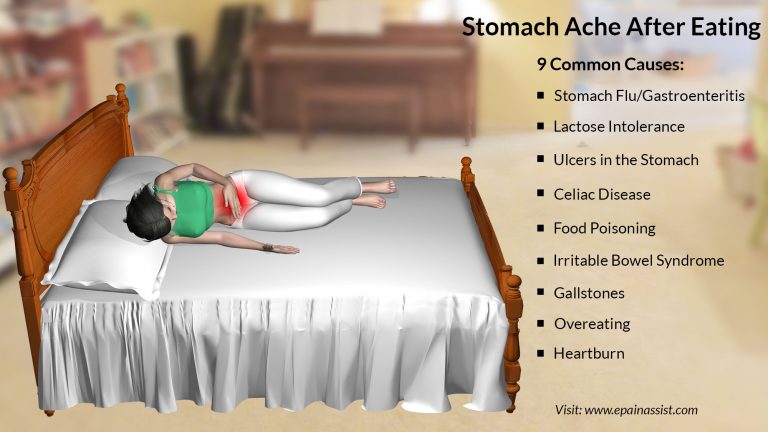
Benefits of Cox Flexion Distraction Technique or Cox Technic

What is Cox Flexion Distraction Technique or Cox Technic?

The Cox Flexion Distraction Technique or Cox Technic is a chiropractic technique developed by Dr. James M. Cox. Cox Flexion Distraction or Cox Technic is a gentle adjustment procedure, which uses negligible force and aids in natural healing of the spine. Cox Flexion Distraction or Cox Technic is based on principles of both chiropractic and osteopathy. This combination provides quick relief from low back and leg pain without having to undergo surgery. If an individual is suffering from back, neck or leg pain, then the chiropractor may try a number of various techniques to detect the root cause and release pressure or tension in the affected area. The Cox Flexion Distraction Technique is also called as the Cox® Technic. Cox Flexion Distraction Technique is a form of spinal manipulation adjustment technique. It is non-surgical in nature and helps in giving immediate relief from back pain by realigning the spine. Cox Flexion Distraction or Cox Technic helps in improving range of motion in the muscles and joints, thus increasing the flexibility and improving posture.

Cox Flexion Distraction Technique or Cox Technic

The Cox Flexion Distraction Technique or Cox Technic does wonders for resolving mid and lower back pain, neck and shoulder pain, hip pain and decreasing the effects of whiplash.

Cox Flexion Distraction Technique or Cox Technic Method- A Safe Alternative To Back Surgery

The Cox Technique is designed to be almost painless and safe alternative to a back surgery. It is commonly used in patients who, despite having extensive surgery, continue to suffer from back pain or those patients who are in the rehabilitation stage and want to enhance their recovery speed. Cox Flexion Distraction Technique or Cox Technic is designed such that the spine is realigned by gentle application of pressure in the key areas of the back. The disc are successfully decompressed by the chiropractor using gentle stretch to the lower spine along with a series of repeated movements and pushes to decrease the pressure. The Flexion-Distraction technique is usually done on a special table, which was designed by Dr. Cox. The specialty of this table is that it has movable parts which help in effective division of the different areas of the spine. The Cox Table has movable sections, which individually give support to the head and legs thus allowing the patient to extend the spine by flexing in many directions. Mild pressure is applied to the body with the aim to decrease pressure and decompress the areas of inflammation around the spine in order to re-establish nerve functioning. Some patients have immediate results with Cox Flexion Distraction Technique or Cox Technic and for some, it may take some time for improvement; however, results depend on the condition and vary from patient to patient.

Cox Flexion Distraction Technique or Cox Technic Method- A Safe Alternative To Back Surgery

Cox Flexion Distraction Technique or Cox Technic Benefits

  • Cox Flexion Distraction Technique or Cox Technic is a brief and painless treatment extremely suitable for individuals with low threshold for pain.
  • Increased range of motion in the shoulders, arms, feet, and toes.
  • Cox Flexion Distraction Technique or Cox Technic helps to decrease the headaches and migraines.
  • Posture improvement is a key benefit of Cox Flexion Distraction Technique or Cox Technic.
  • Improves functioning of vertebral joints.
  • Improves nerve communication and increases circulation.
  • Cox Flexion Distraction Technique or Cox Technic reduces back pain in pregnancy.
  • It may also be useful in treating neurological diseases such as stroke, cerebral palsy, and multiple sclerosis.
  • This technique may be covered by some insurance plans.

Benefits of Cox Flexion Distraction Technique or Cox Technic in Treating Back Pain

To summarize it, the Cox Flexion Distraction Technique or Cox Technic is done to decompress the spinal column and to align the vertebrae, which are not functioning properly. It is very effective in alleviating the effects of degenerative disc diseases, lumbar, cervical and thoracic disc herniations and is very beneficial for those individuals who are not willing to undergo surgery to relieve their back pain.

How is Pain Generated in Benign and Malignant Cancer?

0

What Are The Different Types of Cancer Pain?

Cancer pain may be acute or chronic depending on duration. Acute pain lasting 3 to 6 month is often secondary to benign cancer. Similarly chronic pain lasting more than 6 months is secondary to malignant cancer.

What Is Benign Cancer?

What Is Benign Cancer?

Benign cancer tissue enlarges very slowly in size, but do not infiltrate into surrounding tissue. Benign tumor is encapsulated within fibrous capsule. Benign tumor does not metastasized. Benign tumor are non cancerous.

What Is Benign Non-Cancerous Tumor?

Benign tumor is covered by thick fibrous tissue, which prevents local infiltration in surrounding tissue. Non-cancerous tumor does not invade blood vessels and thus spread to different organs. Benign tumor mass very much stays as a local mass of tumor cells.

What Is Metastasis?

Metastasis is a spread of tumor from one organ to an adjacent organ by local infiltration or distant organ by spread through blood vessels. Metastasis or spread to other organs through blood or lymphatic is not commonly observed with benign cancer. Tumor is known as cancer when tumor invades into adjacent organ or spreads into distant organ.

How Is Pain Generated By Benign Tumor?

Encapsulated benign tumor enlarges in size resulting in severe pressure on surrounding organ and tissue. Pressure often causes ischemia (lack of blood supply) of surrounding tissue resulting in severe throbbing pain. Benign tumor may pinch the nerve located around the tumor mass causing severe burning pain.

Which Are The Associated Symptoms With Benign Tumor?

Ischemic is reduction or lack of blood supply to normal tissue. Ischemic tissue may end up necrotic and lead to symptoms such as nausea, vomiting, dizziness and bleeding. Some time massive size of tumor can cause obstruction of organs followed by constipation and retention of urine or stool.

How Often Do Patients Suffering With Benign Tumor Have Intense Pain?

Benign tumor causes delayed pain. Pain is often associated with enlarged tumor mass. Benign tumor is often diagnosed secondary to pressure symptoms like nausea, vomiting, constipation and soft tissue mass felt in abdomen or extremities. About 15 to 30% of patients diagnosed of benign tumor suffer with acute pain at the time of diagnosis.

How Is Pain Generated By Malignant Cancer?

Upper and Lower Lobe Lung Tumor

Malignant cancer pain is chronic (more than 6 months), widespread and intense. Malignant cancers spread to surrounding and distant tissues as well as organs. Local cancer tissue spread involves increase of size as well as penetration and infiltration of surrounding normal tissue or organs causing tissue necrosis and irritation of the surrounding nerve. Penetration of cancer tissue in to blood vessel causes ischemia by obstruction to flow and bleeding by tear or rupture of blood vessels. Tear or rupture of blood vessels occasionally follows life threatening major or minor bleeding. Cancer tissue may spread to liver, brain and lungs through blood vessels and lymphatics. Tumor tissue mass is called metastasis when spread into other distant organs.

How Often Do Patients Suffering With Malignant Cancer Have Intense Pain?

Various studies have suggested 19 to 49% of patient had pain as early symptoms. Pain could be predominant symptom in metastatic cancer than benign cancer. Pain symptom that occurs in over 60% of cancer patients may have progressed beyond primary location. Chronic pain is as high as 90% in the advanced cancer patients.

References:

  1. American Cancer Society. (2021). Pain Control Guide: Understanding Cancer Pain. https://www.cancer.org/cancer/cervical-cancer/treating/pain-control.html
  2. National Cancer Institute. (2021). Pain Control: Support for People with Cancer. https://www.cancer.gov/about-cancer/advanced-cancer/care-choices/pain-control-pdq
  3. Breitbart, W., McDonald, M. V., Rosenfeld, B., Passik, S. D., Hewitt, D., Thaler, H., & Portenoy, R. K. (1996). Pain in Ambulatory AIDS Patients: I. Pain Characteristics and Medical Records. Pain, 68(2-3), 315-321. doi:10.1016/s0304-3959(96)03157-5
  4. Portenoy, R. K., Kanner, R. M., & Foley, K. M. (1986). The Nature of Adjuvant Analgesic Trials: Refinement of Entry Criteria. Annals of Clinical Research, 18(4), 217-223. PMID: 3803125

Also Read:
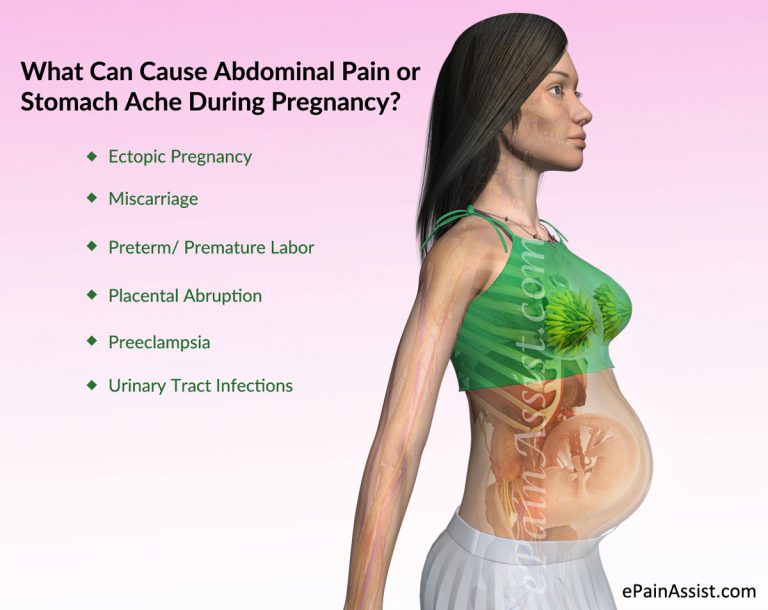
Ankle Joint Pain: 7 Medical Conditions That Can Cause Pain In The Ankle
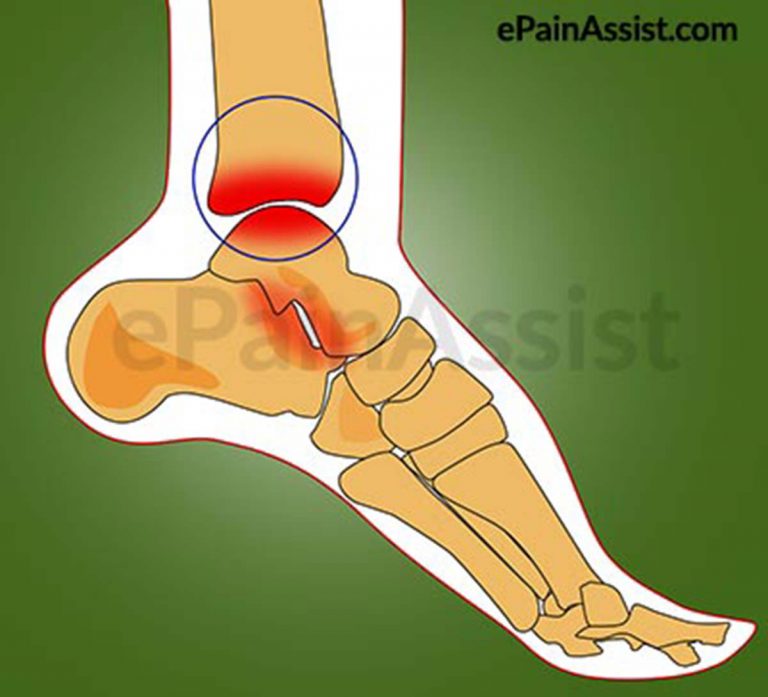
0

Ankle Joint consists of many bones, tendons, ligaments, cartilages and muscles. Injury, infection or inflammation of any of them can cause ankle joint pain. This article explains about the medical conditions that can cause pain in the ankle joints.

Ankle Joint Pain

7 Major Medical Conditions That Can Cause Ankle Pain:

  1. Soft Tissue Inflammation– A Cause Of Ankle Joint Pain
  2. Arthritis of Ankle Joint Resulting In Ankle Joint Pain
    • Ankle Joint Rheumatoid Arthritis
    • Ankle Joint Osteoarthritis
    • Ankle Joint Psoriatic Arthritis
    • Ankle Joint Pseudo-Gout
    • Ankle Joint Gout
  3. Ankle Joint Septic Arthritis Causing Pain in the Ankle
  4. Tarsal-Tunnel Syndrome Resulting in Ankle Joint Pain
  5. Bone Spurs Causing Ankle Joint Pain
  6. Ankle Joint Trauma
  7. Ankle Fracture
    • Hairline Fracture
    • Stress Fracture
    • Avulsion Fracture

Let’s go over all of the above listed medical conditions that can cause ankle joint pain in detail.

Ankle Pain Caused By Ankle Joint Tendinitis

Inflammation of ankle joint tendon is known as tendinitis, which causes severe ankle joint pain. Inflamed tendon is often enlarged and swollen; inflamed tendon is extremely painful on examination.

Causes of Ankle Joint Tendinitis

  • Overuse of Calf and Foot Muscle and Tendon-
    • Athletes and jobs requiring long distance walk.
  • Anatomical Abnormalities-
    • Flat foot or high arch foot
  • Arthritis-
    • Rheumatoid Arthritis and Osteoarthritis.
  • Trauma-
    • Blunt Trauma
    • Penetrating Wound
    • Surgery
  • Infection-
    • Cellulitis of surrounding tissue may spread to tendon.
    • Infection of tendon following injury of the tendon.

Inflammation or Injury of Following Tendons Can Cause Ankle Joint Pain:

Pain Around Ankle Can Be Due To:

  • Peroneal Tendinitis
    • Recurring ankle sprain.
  • Achilles Tendinitis –
    • Most common sports injury.
  • Posterior Tibial Tendinitis –
    • Associated with flat foot.
  • Flexor Tendonitis
    • Pain mostly at the back of the foot.
  • Extensor tendonitis
    • Mostly occurs secondary to tight shoe.

Ankle Pain Caused By Ankle Bursitis

Inflammation of bursa is known as bursitis. Ankle bursitis causes extremely painful ankle joint pain. Bursas are placed between bone and tendon or ligament. Movements or transmission of weight along ankle joints results in extruciating ankle joint pain. Bursitis is often seen following injury and infection of soft tissue.

Ankle Pain Caused By Rheumatoid Arthritis Of Ankle

Rheumatoid Arthritis (RA) is an autoimmune form of arthritis in which the antibodies and the immune cells attacks joint tissue, causing inflammation, pain, and swelling. Any joint may be affected by rheumatoid arthritis, including the ankle joint resulting in ankle joint pain. Rheumatoid arthritis causes inflammation and thickening of synovial membrane and ligaments causing severe ankle joint pain.

Ankle Pain Caused By Degenerative Ankle Joint Arthritis?

Osteoarthritis is a degenerative arthritis. Untreated or long lasting osteoarthritis causes thinning of bones and ligaments resulting in degenerative arthritis. Ankle joint pain caused by osteoarthritis of ankle joint is associated with degeneration of the bones and joints.1

Is Osteoarthritis Self-Limiting Disease?

Osteoarthritis (OA) is not a self-limiting disease. Joint osteoarthritis if not treated may result in joint dislocation and tendon atrophy. Initial ankle joint pain is secondary to inflammation of synovial membrane and ligaments. During advanced stage of disease ankle joint pain is caused by dislocation or subluxation of the ankle joint.

Ankle Pain Due To Psoriatic Arthritis

Psoriatic ankle joint arthritis causes swelling and pain of the ankle joint resulting in severe sudden ankle joint pain. The ankle joint pain is associated with the psoriatic skin lesions. Many joints including the ankle joint is affected by psoriasis. Joint inflammation is periodic and ankle joint pain is seen during the joint inflammation. Ankle joint pain may be absent if the inflammation is diminished.

Gout- A Cause For Pain Around Ankle

Gout is a form of arthritis in which uric acid or monosodium urate crystals periodically deposit in ankle joints, causing severe ankle joint pain and swelling. Uric acid crystals induce inflammation of synovial membrane and ligament. The ankle may sometimes be affected by gout. Gout is most often seen over the big toe.

Pseudogout- Causing Ankle Joint Pain

Pseudogout means false gout. Pseudogout is caused by calcium pyrophosphate deposition over the cartilage or ligaments of the ankle joint. The term Pseudogout is used to indicate the similarities of the disease like gout. Both the diseases are caused by deposition of inorganic compound followed by inflammation of synovial membrane and ligaments. The ankle joint pain caused by pseudogout depends on crystal deposits inducing inflammation of synovial membrane and ligaments.

Ankle Pain Caused By Septic Ankle Arthritis

Septic ankle joint arthritis is an infection of the ankle joint resulting in ankle joint pain. Most common infection of the ankle joint is caused by bacterial infection. Septic arthritis develops quickly causing severe ankle joint pain, ankle joint swelling and fever. Joint movement and bearing weight on ankle joint causes severe ankle joint pain.

Causes of Septic Ankle Arthritis Are As Follows

  • Blunt Trauma To The Ankle
  • Penetrating Injury In The Ankle
  • Impaired immune system- AIDS
  • Diabetes

Ankle Pain Caused By Tarsal Tunnel Syndrome

Tarsal tunnel syndrome (TTS) is a very painful disease resulting in severe ankle joint pain spread over ankle joint and bottom of the foot. Tarsal tunnel is covered by tibiocalcaneal ligament. Ligament is known as tarsal ligament and spread in oblique direction on the medial side of ankle joint. Tarsal ligament is attached to medial malleolus of tibia and calcaneus bone. Posterior tibial nerve along with artery, vein, and tendons passes through the tunnel under the tarsal ligament. The ankle joint pain is caused by irritation or pinch of the posterior tibial nerve within tarsal tunnel. Initial symptoms are pain and tingling. Later if disease is not treated symptoms could be permanent numbness and weakness.

Ankle Pain Due To Bone Spurs

Bone spurs are abnormal spiking outgrowth of the bone around the edge or border of the bone. Spurs may be observed over shaft or end of the bone involved in joint formation. Spur causes ankle joint pain when located within ankle joint or causes friction with tendon. Spurs may discharge bone fragments in the ankle joint and may cause ankle joint pain with joint movements.

Ankle Joint Sprain

Several bones forming the joint are held together by ligaments. Ankle joint sprain is caused by turn and twist of the ankle joint resulting in tear or injury of the joint ligaments. Damage to any one of the ligaments in the ankle can cause severe ankle joint pain with joint movement or weight bearing in standing position. Pain is less severe when foot is elevated in lying position. Restriction of joint movement also reduces pain.

High Ankle Joint Sprain Causing Ankle Joint Pain

High ankle joint is ligamental binding between tibia and fibula above talus bone. The ligament, which binds tibia and fibula is known as syndesmotic ligament. High ankle sprain resulting in ankle joint pain is caused by injury, tear or scratch of the syndesmotic ligament. A high ankle sprain causes less ankle joint pain than ankle sprain. Swelling and tenderness is often not noticeable. The ankle joint pain lasts for long time and healing is often prolonged.

Pain Around Ankle Due To Tendon Tear or Tendon Rupture

Rupture or tear of tendons supporting ankle joint is a common injury among average individuals, which results in ankle joint pain. Twisting or tripping of lower leg or foot often occurs while ambulating on uneven or icy surface. Such injury results in rupture of one of the tendon of ankle joint. Tendon is non-elastic tight band attached to hard surface of bone and muscle fibers. During fall or twist, tendon is stretched to maximum length. In addition to being stretched, tendon is pulled by vigorously contracting muscles. Muscle contraction is a protective reflex during any painful events. Stretched tendon may result in tear when pulled by contracting muscles while opposite end is anchored to bone.

Pain In The Ankle Due To Dislocation

Ankle dislocation is a separation of joint link resulting from forceful sliding of one of the bone. True ankle joint dislocation involves dislocation between tibia and talus, or fibula and talus. Ankle joint dislocation is often associated with fracture of medial malleolus bone. Ankle dislocation without fracture is very rare. Subtalar dislocation occurs between talus and calcaneus bone. Ankle joint dislocation causes severe and continuous ankle joint pain.

Causes of Ankle Joint Dislocations Are As Follows:

  • Fall on uneven surface, ice or slope.
  • Automobile or Work accident.
  • Disabling Joint Disease- Advanced osteoarthritis.

Risk Factors for Ankle Joint Dislocation

  • Old age
  • Musculoskeletal Disorder- Muscle weakness and polio.
  • Neurological Diseases- Peripheral neuropathy, numbness, and paresthesia.
  • Frequent Fall- Epilepsy, dizziness, vertigo.
  • Pre-Existing Advanced Arthritis- Osteoarthritis and Rheumatoid Arthritis.
  • Slip and Fall- On slippery surface.
  • Direct Impact
  • Contact Sports- Like Wrestling, Football or Ice Hockey.

Ankle Joint Fracture

Ankle joint fracture involves break in any of the four bones in the ankle. Fracture of ankle joint mostly involves tibia and fibula. Most common fracture is medial malleolus and lateral malleolus bone, followed by lower end of tibia above medial malleolus. Fracture of talus and calcaneus is rare. Ankle joint fracture results in severe and continuous ankle joint pain.

Ankle Joint Fracture

Classification of Ankle Fracture

Types of Ankle Fracture-

  • Hairline Fracture of Ankle– Bone pieces or segments are not displaced.
  • Partial Separating Fracture of Ankle– Partial separation or shift is detected.
  • Complete Separation Fracture of Ankle-Divided in several groups as follows-
    1. Comminuted Fracture of Ankle- Broken into several pieces
    2. Impacted Fracture of Ankle- Bone fragments are impacted into adjacent fragments of fracture bone.
    3. Avulsion Fractures of Ankle- Fragments of the bone are displaced at adjacent position.

Causes of Ankle Fracture

  • Injury– Fall, direct impact caused by auto or work accident.
  • Degenerative Joint Disease– Osteoarthritis.
  • Sport Injury– Fall, stress on impact over outstretched upper extremity.

Watch Video Of Causes of Ankle Joint Pain

References:

  1. Ankle osteoarthritis: etiology, diagnostics, and classification.
    Barg A, Pagenstert GI, Hugle T, Gloyer M, Wiewiorski M, Henninger HB, Valderrabano V.FootAnkle Clin.2013 Sep;18(3):411-26. doi: 10.1016/j.fcl.2013.06.001.Orthopaedic Department, Osteoarthritis Research Center Basel, University Hospital of Basel, University of Basel, Spitalstrasse 21, Basel CH-4031, Switzerland; Harold K. Dunn Orthopaedic Research Laboratory, University Orthopaedic Center, University of Utah, 590 Wakara Way, Salt Lake City, UT 84108, USA. Electronic address: [email protected]
  2. Ankle dislocation without fracture.
    Wroble RR, Nepola JV, Malvitz TA.
    Foot Ankle.1988 Oct;9(2):64-74.
    University of Iowa Hospitals and Clinics, Department of Orthopaedic Surgery, Iowa City.

Understanding Ankle Joint: Know About the Supporting Ligaments, Tendons, Muscles

What Is Ankle Joint?

Ankle Joint is hinged synovial joint supported by several ligament, tendon, cartilage and muscle. Ankle joint is made up of two joints, which functions together to achieve flexion (upward), extension (downward) and lateral (side to side) movement of the feet.

What Is Ankle Joint?

Ankle Joint

  • True Ankle Joint.
  • Subtalar Joint.

What is True Ankle Joint?

The true ankle joint is composed of tibia, fibula and talus bone. Tibia lies on medial (inner) side and fibula lies on lateral (outer) side above the upper surface of talus. Ankle joint allows limited flexion and extension of the feet.

What is Subtalar Joint?

Subtalar joint is between talus and calcaneus bone. Talus sits on top of calcaneus bone. The subtalar joint allows side to side movements of the foot.

Which Ligaments Support Ankle Joint?

Ligaments are thick and tough band of fibrous tissue. The major ligaments of the ankle joints are as follows-

Anterior Ligament

This is divided in following sub-groups

  • Anterior tibio-fibular ligament- connects the tibia to fibula.
  • Anterior tibio-talar ligament.
  • Anterior talo-fibular ligament.

Posterior ligament

This is divided in following sub-groups

  • Posterior tibio-talar ligament.
  • Posterior fibula-talar ligament.

Lateral Collateral Ligaments

  • Calcaneo-fibular ligament, attach the fibula to the calcaneus bone.

Deltoid Ligaments

These lie on medial or inner side of the joint and connects tibia to the talus. Deltoid ligaments are divided in following subgroups-

  • Tibionavicular.
  • Tibiocalcaneal.
  • Tibiotalar anterior.
  • Tibiotalar posterior.

Capsular Ligaments

Capsular ligaments are thin and mostly support the anterior section of the joint.

  • Anterior (front) capsular ligament
  • Posterior (back of the joint) capsular ligaments

Which Are The Tendons That Support Ankle Joint?

Tendons are like ligaments a tough band of fibrous tissue connects end of muscles to bones. Tendon facilitates anchoring of the muscles to the bone around the joint. Tendon helps to stabilize the joint.

 Ankle Joint

List of tendons supporting ankle joint are as follows-

  • Achilles Tendon– attaches calf muscles to back of calcaneus bone.
  • Flexor Hallucis Longus– lies along the inside of the ankle and attaches to the big toe.
  • Flexor Digitorum Longus– lies on medial or inside of the ankle joint and attaches to remaining 4 toes but big toe.
  • Peroneus Tendon– divided as peroneus brevis and peroneus longus lies on outside of the ankle joint and attaches to shaft of 5th metatarsal bone and spreads to bottom of the foot.
  • Posterior Tibial Tendon– attaches the midfoot and function is to maintain normal arch of the foot.
  • Anterior Tibialis Tendon– attaches anterior tibialis muscles to the bones of the midfoot.

Which Muscle Supports Ankle Joint?

Muscles are not directly in contact with ankle joint. Tendons are distal end of muscles and lies in contact with the ankle joint.

What Is Medial Malleolus?

The medial malleolus is the most prominent part of the lower end of the tibia, lies just under the skin on inner side of ankle joint.

What Is Lateral Malleolus?

Lateral malleolus is the bony prominence on outside of the ankle joint. Lateral malleolus is the lower end of the fibula bone and prone for fracture.

Watch 3D Video of Ankle Joint Anatomy

References:

  1. Ankle osteoarthritis: etiology, diagnostics, and classification.

    Barg A, Pagenstert GI, Hügle T, Gloyer M, Wiewiorski M, Henninger HB, Valderrabano V.FootAnkle Clin.2013 Sep;18(3):411-26. doi: 10.1016/j.fcl.2013.06.001.Orthopaedic Department, Osteoarthritis Research Center Basel, University Hospital of Basel, University of Basel, Spitalstrasse 21, Basel CH-4031, Switzerland; Harold K. Dunn Orthopaedic Research Laboratory, University Orthopaedic Center, University of Utah, 590 Wakara Way, Salt Lake City, UT 84108, USA. Electronic address: [email protected]

  2. Ankle dislocation without fracture.

    Wroble RR, Nepola JV, Malvitz TA.

    Foot Ankle.1988 Oct;9(2):64-74.

    University of Iowa Hospitals and Clinics, Department of Orthopaedic Surgery, Iowa City.